
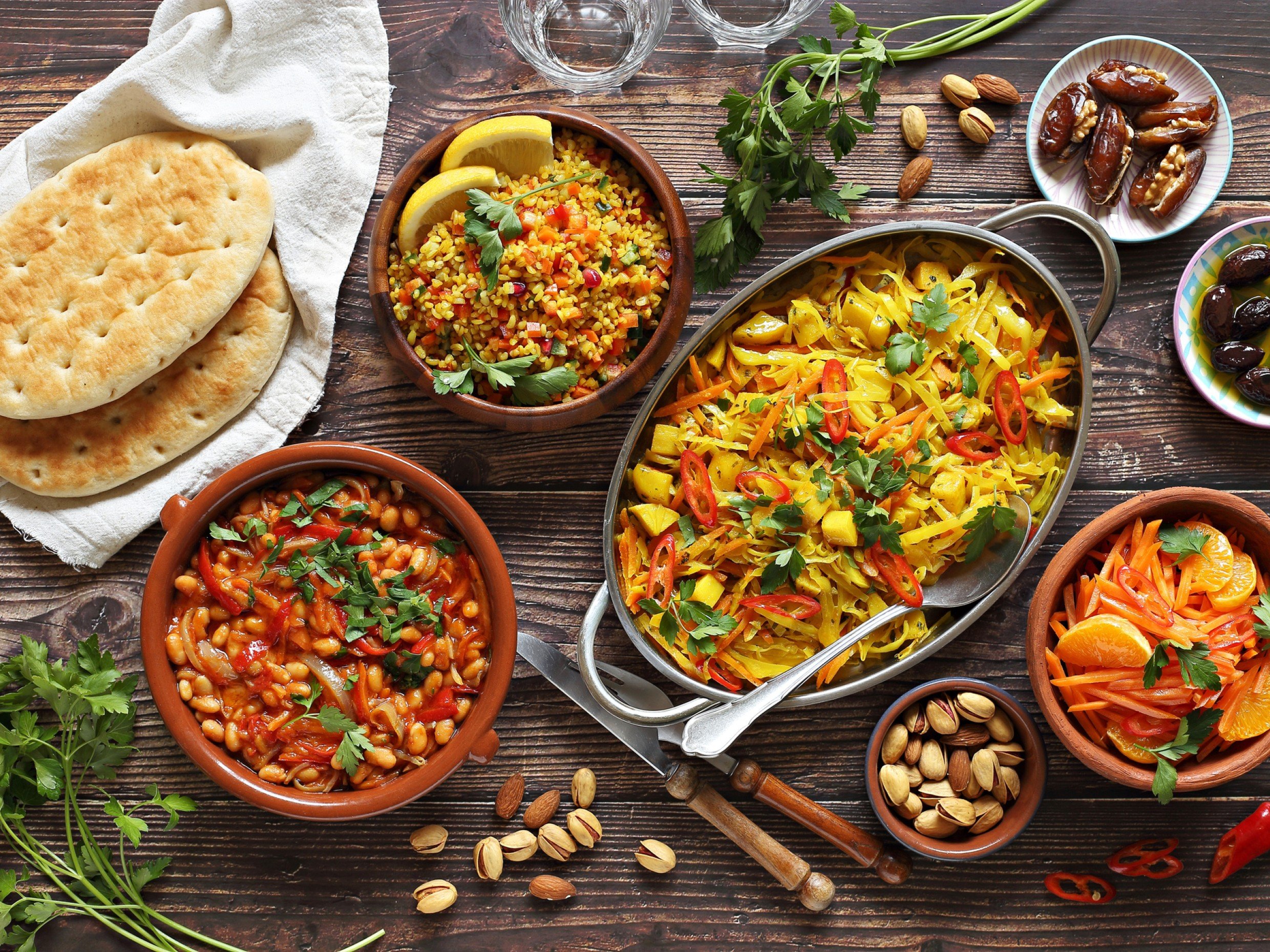
South Africa is often called the “Rainbow Nation,” a title that reflects its diverse melting pot of cultures, languages, and histories. But if you truly want to understand the soul of this country, you don’t look at a map, you look at a plate.
South African cuisine is a vibrant, aromatic, and sometimes surprising fusion of indigenous traditions, European influences, and bold flavors brought over by Eastern spice traders. From the smoky depths of a Kalahari Braai to the sweet-and-sour complexity of a Cape Malay Bobotie, every bite tells a story of migration, resilience, and celebration.
Whether you are a seasoned foodie planning a trip to Cape Town or a curious home cook looking to spice up your repertoire, this comprehensive guide explores the best of South African food, its history, and the must-try dishes that define the nation in 2026.
1. The Roots of Flavor: A Brief History
The evolution of South African food is a timeline of global interaction. Before European arrival, the indigenous Khoisan and Bantu-speaking peoples relied on the land, gathering wild fruits, bulbs, and hunting game. They mastered the art of preserving meat—a precursor to the world-famous Biltong.
The Cape Malay Influence
In the 17th century, the Dutch East India Company established a refreshment station at the Cape. They brought enslaved people from Indonesia, Malaysia, and Madagascar. These individuals, known today as the Cape Malay community, transformed South African cooking by introducing spices like turmeric, cumin, coriander, and cinnamon. This created a unique “Cape Dutch” fusion that is both savory and sweet.
The Indian Heritage
Later, in the 19th century, Indian laborers arrived in Natal (now KwaZulu-Natal) to work on sugar plantations. They brought with them the secrets of complex curries, leading to the birth of the iconic Bunny Chow in Durban—a dish that has since become a national street food treasure.
2. The Big Five: Must-Try Traditional Dishes
If you only have a few days in South Africa, these are the five dishes you absolutely cannot miss.
Bobotie: The National Dish
Bobotie (pronounced ba-boor-tee) is often considered the national dish of South Africa. It consists of spiced minced meat (usually beef or lamb) baked with an egg-based topping.
- The Flavor Profile: It’s a masterful balance of savory curry spices, sweetness from apricot jam or raisins, and a hint of tang from vinegar or lemon.
- Best Served With: Fragrant yellow rice (geelrys) and a dollop of fruit chutney.
Braai and Boerewors
In South Africa, a “barbecue” is not just a cooking method; it’s a social institution called a Braai.
- Boerewors: This “farmer’s sausage” is the star of any braai. It must contain at least 90% meat (beef, often mixed with pork or lamb) and is seasoned heavily with toasted coriander seeds, cloves, and nutmeg.
- The Experience: A braai is about the fire (usually wood, never gas if you’re a purist) and the “kuier” (socializing) that happens while the meat cooks slowly over the embers.
Potjiekos: The Slow-Cooked Stew
Literally meaning “small pot food,” Potjiekos is a stew cooked in a three-legged cast-iron pot over an open flame.
- The Rule: Unlike a typical stew, you do not stir a potjie. The ingredients—usually meat, potatoes, and vegetables—are layered and left to steam in their own juices for hours.
- Popular Varieties: Oxtail potjie is a fan favorite, known for its rich, gelatinous gravy.
Biltong and Droëwors
Forget the rubbery beef jerky you find in gas stations. South African Biltong is in a league of its own.
- What it is: Thick slabs of meat (beef, kudu, or ostrich) are marinated in vinegar and spices (coriander, salt, pepper) and then air-dried.
- Droëwors: This is essentially Boerewors that has been dried into a thin, snap-able snack.
Bunny Chow
Born in the 1940s in Durban, the Bunny Chow is a hollowed-out loaf of white bread filled with spicy curry.
- Why the bread? Historically, it served as a portable, biodegradable “container” for laborers who weren’t allowed into certain dining areas.
- Pro Tip: Never use a knife and fork. You pull pieces of the “virgin” (the bread from the center) and dip it into the curry.
2. The Pulse of the Pavement: South Africa’s Iconic Street Food Culture
While fine dining in the Winelands is world-famous, the true flavor of the nation lives on the street corners and in the bustling “township” hubs. South African street food is a testament to creativity—taking simple ingredients and turning them into filling, flavorful masterpieces.
The Gatsby: Cape Town’s Giant Sandwich
Born in the 1970s in the Cape Flats, the Gatsby is more than just a sandwich; it’s a shared experience. It consists of a foot-long (or longer) French loaf stuffed to the bursting point.
- The Anatomy: The base is always a massive pile of “slap chips” (soft, vinegar-soaked fries). On top of that, you might find masala steak, polony (bologna), or calamari, all drenched in piri-piri or spicy pickle sauce.
- Cultural Significance: A Gatsby is rarely eaten alone. It is designed to be cut into segments and shared among friends, symbolizing the community-centric nature of South African dining.
Vetkoek and Amagwinya: The Golden Wonders
Depending on where you are, you’ll hear it called Vetkoek (Afrikaans for “fat cake”) or Amagwinya (in Zulu/Xhosa). This is deep-fried dough that is crispy on the outside and cloud-soft on the inside.
- The Savory Version: Often stuffed with curried ground beef (mince).
- The Sweet Version: Spread with thick butter and golden syrup or apricot jam.
- The “Walking” Snack: In many townships, you can grab a plain winya for a few Rand, making it the ultimate accessible breakfast for commuters.
Walkie Talkies: The Resourceful Delicacy
In the spirit of “nose-to-tail” eating, Walkie Talkies refer to grilled or boiled chicken feet and heads. Seasoned with salt and chili, they are a beloved snack across the country, prized for their gelatinous texture and the social ritual of “nibbling” while chatting.
3. Master of the Flame: The Science and Ritual of the South African Braai
To the uninitiated, a braai looks like a barbecue. To a South African, that comparison is almost an insult. A braai is a technical skill passed down through generations, involving specific wood types and heat management.
Wood vs. Charcoal: The Great Debate
The foundation of a great braai isn’t the meat; it’s the coals.
- Hardwoods: Purists use woods like Kameeldoring (Camel Thorn) or Sekelbos. These woods are incredibly dense, meaning they burn for a long time and produce a clean, intense heat with a distinct smoky aroma.
- The Ritual of the Fire: The “Braaimaster” starts the fire long before the meat arrives. The goal is to cook over white-hot embers, not active flames. This allows for a deep sear without burning the spices—crucial for preserving the delicate coriander notes in Boerewors.
Traditional Braai Side Dishes (The “Bijgeregte”)
A braai is incomplete without its supporting cast.
- Braaibroodjies: These are grilled sandwiches made with white bread, filled with cheddar cheese, tomato, onion, and sweet fruit chutney. They are toasted over the last remaining embers until the bread is golden and the cheese is molten.
- Pap en Sous: Mentioned earlier, but specifically served at a braai with a “sheba” (a spicy tomato and onion relish). The acidity of the tomato sauce cuts through the richness of the grilled fatty meats.
- Copper Chimney Salad: A vibrant, marinated carrot and onion salad that adds crunch and brightness to the heavy protein spread.
Potjie Etiquette: The “No-Stir” Rule
As we touched on earlier, Potjiekos is the slow-cooking cousin of the braai. However, the technicality lies in the heat.
- Layering: The meat goes at the bottom to brown, followed by hard vegetables (carrots, potatoes), and then softer greens.
- The Steam Effect: By keeping the heavy lid closed and never stirring, you create a pressurized steam environment inside the cast iron. This breaks down tough connective tissues in meats like lamb neck or oxtail, resulting in a “fall-off-the-bone” texture that a standard stovetop pot can’t replicate.
3. The Vegetarian Side: Pap, Chakalaka, and Beyond
While South Africa is a meat-loving nation, its plant-based offerings are deeply rooted in indigenous culture.
Pap and Chakalaka
- Pap: A staple made from ground maize (corn). It can be crumbly (phutu), smooth and creamy, or thick and stiff (stywe pap).
- Chakalaka: A spicy, multi-colored vegetable relish. It usually contains onions, carrots, peppers, tomatoes, and beans, seasoned with a heavy dose of curry powder. It provides the perfect spicy kick to the mild, earthy pap.
Cape Malay Lentil Curry
Reflecting the spice-forward traditions of the Cape, lentil-based “Dhal” or vegetable curries are common, often featuring sweet elements like dried fruits or squash.
4. Sweets and Desserts: A Sugar Rush from the Cape
South Africans have a notorious sweet tooth, thanks largely to Dutch and French Huguenot influences.
Malva Pudding
Imagine a warm, spongy cake with a caramelized exterior, soaked in a rich butter and cream sauce.
- Key Ingredient: Apricot jam gives it its signature texture and tang.
- Serving Suggestion: Always serve it hot with cold custard or vanilla ice cream.
Melktert (Milk Tart)
This is the South African answer to the custard pie. It consists of a sweet pastry crust filled with a creamy, milky custard and dusted generously with cinnamon. It’s light, comforting, and a staple at every “tea time.”
Koeksisters vs. Koesisters
Wait, there’s a difference!
- Koeksisters (Afrikaner style): Twisted, plaited dough that is deep-fried and immediately dunked into ice-cold sugar syrup. They are crunchy, sticky, and intensely sweet.
- Koesisters (Cape Malay style): Spiced, oval-shaped doughnuts flavored with ginger, cinnamon, and cardamom, boiled in syrup, and rolled in desiccated coconut. They are soft and aromatic.
5. 2026 Trends: The Modern South African Table
As we move through 2026, the South African food scene is evolving. While traditions remain sacred, new trends are emerging:
- Indigenous Ingredients: Chefs are rediscovering “forgotten” foods like Sorghum, Millet, and wild greens like Morogo.
- Sustainable Seafood: With a focus on the coastline, “fish-forward” restaurants are booming, highlighting species like Snoek and Yellowtail caught using ethical methods.
- Texture-Led Dining: Reflecting global trends, diners are looking for “the little treat ritual”—small, high-quality indulgences like a perfect Vetkoek (fried dough bread) filled with gourmet mince or artisanal jams.
6. Pairing with Perfection: South African Drinks
You cannot talk about South African food without mentioning the liquid accompaniments.
- Rooibos Tea: Naturally caffeine-free and packed with antioxidants, this “red bush” tea is native to the Cederberg mountains.
- Wine: South Africa is home to the world-famous Cape Winelands. A bold Pinotage (a local cross between Pinot Noir and Cinsault) pairs beautifully with game meats or a spicy Bobotie. If you prefer white, a crisp Chenin Blanc is the perfect partner for Cape Malay seafood.
- Amarula: A creamy liqueur made from the fruit of the Marula tree. It’s best enjoyed over ice while watching a sunset.
FAQ: Frequently Asked Questions
Q: Is South African food spicy?
A: It can be! Cape Malay food is aromatic and mildly spicy, while Durban curries can be very hot. However, traditional “Braai” food is generally savory and mild.
Q: What is the best time of year for a “Foodie Tour” of South Africa?
A: Any time is great, but the summer months (November to March) are perfect for outdoor braais and visiting the wine estates.
Q: Can I find South African food outside of South Africa?
A: Yes! Major cities like London, New York, and Sydney often have South African shops (selling biltong and rusks) and specialty restaurants.
Conclusion
South African food is more than just sustenance; it is a celebration of a complex history and a hopeful future. Whether you’re crunching on a piece of salty biltong or savoring the spiced layers of a potjie, you are experiencing the “Rainbow Nation” in its most authentic form.
