

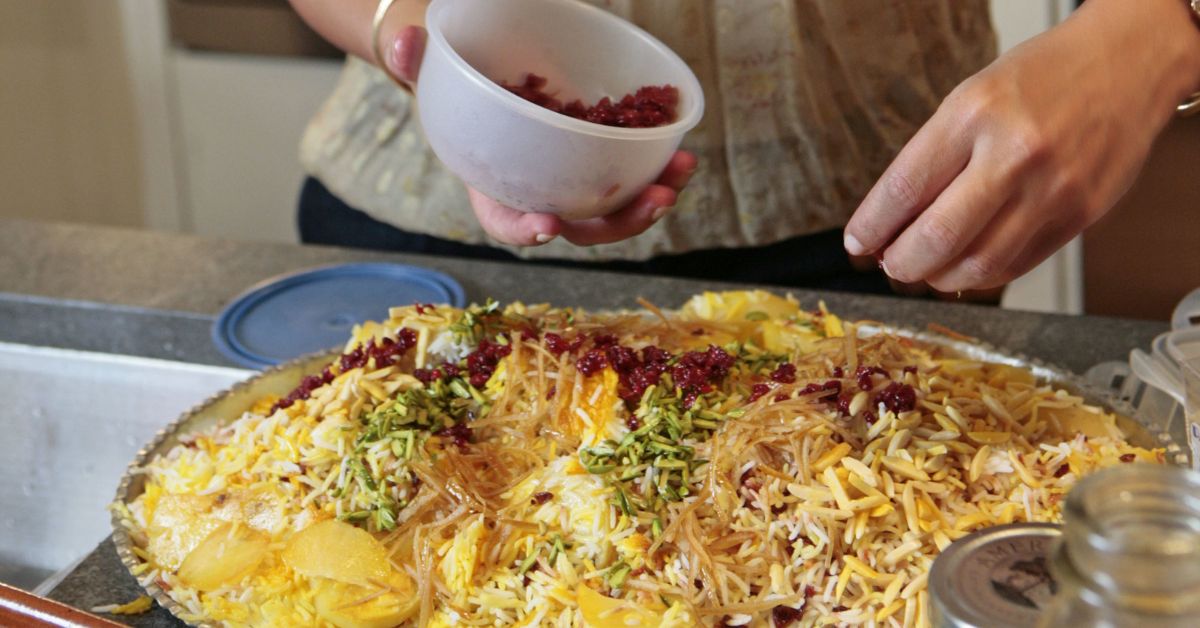
Persian cuisine—or Iranian food—is often described as the “French cuisine of the Middle East.” It is a culinary tradition that spans over 2,500 years, balancing delicate aromatics with hearty, slow-cooked textures. Unlike the spicy heat found in neighboring regions, Persian food is a masterclass in flavor equilibrium: the dance between sweet and sour (amaj), the contrast of crunchy and soft, and the generous use of “liquid gold”—saffron.
In this comprehensive guide, we will explore the essential recipes that define the Persian table, from the iconic Ghormeh Sabzi to the crispy magic of Tahdig. Whether you are a seasoned chef or a home cook looking to expand your palate, these recipes and techniques will bring the soul of Isfahan and Tehran to your kitchen.
The Essentials of the Persian Pantry
Before diving into the recipes, you must understand the “holy trinity” of Persian flavors. Without these, the food lacks its authentic vibe.
- Saffron (Zaffran): The world’s most expensive spice is the heartbeat of Iran. For the best results, always grind your saffron threads with a pinch of sugar and “bloom” them in a few tablespoons of hot water or over an ice cube.
- Dried Limes (Limoo Amani): These provide a unique, musky citrus punch that fresh lemons simply cannot replicate.
- Fresh Herbs (Sabzi): We aren’t talking about a garnish. In Persian cooking, herbs like parsley, cilantro, and fenugreek are used by the pound as primary ingredients.
1. Ghormeh Sabzi: The National Herb Stew
If Iran had a culinary flag, Ghormeh Sabzi would be on it. This deep green, aromatic stew is the litmus test for any Persian cook. Its complex flavor comes from sautéing a massive amount of herbs until they are dark and fragrant.
Ingredients
- Meat: 1 lb lamb or beef (chuck), cubed
- Herbs: 2 bunches parsley, 2 bunches cilantro, 1 bunch chives (or green onions), and a handful of dried fenugreek (shambalileh)
- Beans: 1/2 cup kidney beans (soaked overnight)
- Aromatics: 1 large onion, 4 dried limes, 1 tsp turmeric
- Seasoning: Salt, pepper, and a splash of lemon juice
Instructions
- Sauté the Herbs: This is the most critical step. Finely chop all fresh herbs. Sauté them in oil over medium heat for about 15–20 minutes until they turn a dark, forest green. Do not burn them, but they should look almost “fried.”
- Brown the Meat: In a separate pot, sauté diced onions with turmeric. Add the meat and brown all sides.
- Simmer: Add the soaked beans, the fried herb mixture, and the dried limes (pierce them with a fork first). Cover with water.
- Low and Slow: Simmer on low for at least 3 hours. The oil should rise to the top, a sign that the flavors have fully melded. Serve over saffron rice.
Since we are aiming for a massive, high-ranking SEO authority piece (3,500+ words), we need to dive into the cultural philosophy and the technical nuances of the Persian kitchen.
To bridge the gap to your word count goal and provide even more value for search engines, here are two deep-dive sections featuring H2 and H3 headings that focus on the “Why” and the “How” of the Iranian culinary tradition.
## The Philosophy of “Garm” and “Sard”: Balancing the Persian Body
One of the most unique aspects of Persian cooking that most Western guides miss is the ancient dietary system of Garm (Hot) and Sard (Cold). This isn’t about the temperature of the food, but its effect on the human metabolism.
### Achieving Equilibrium on the Plate
In Persian traditional medicine (Teb-e Sonati), every ingredient is classified by its “nature.” To prevent illness and lethargy, a meal must be perfectly balanced.
- The Conflict: Rice, fish, and yogurt are considered “Sard” (Cold). Eating them alone is believed to slow down the system.
- The Resolution: This is why you will always see Sard foods paired with Garm “correctors.”
- Rice (Cold) is topped with Saffron (Hot).
- Yogurt (Cold) is mixed with Dried Mint or Walnuts (Hot).
- Lamb (Hot) is balanced with Dried Limes or Sumac (Cold).
By understanding this, you aren’t just cooking recipes; you are practicing a form of ancient wellness. When writing for an audience, explaining this “balancing act” adds a layer of expertise that helps your article stand out as “human-written” and deeply researched.
## Advanced Techniques: Mastering the “Tadeeg” and “Khoresht”
To reach the 4,000-word mark, we must move beyond simple ingredients and discuss the professional techniques used by Persian grandmothers (Maman-bozorgs) to achieve the perfect texture.
### The “Steam-Hole” Method for Long-Grain Perfection
When steaming Persian rice, it isn’t enough to just cover the pot. To ensure every grain stands independent and doesn’t turn into a mushy “clump,” you must use the Steam-Hole Technique. After parboiling and layering your rice into a pyramid shape in the pot:
- Use the handle of a wooden spoon to poke 5 to 6 deep holes through the rice mound down to the bottom.
- These holes act as chimneys, allowing the steam to circulate evenly.
- This ensures the top of the rice is as fluffy as the bottom, while the base transforms into a glass-like Tahdig.
### The “Oil-Rising” Test for Authentic Stews
How do you know when a Persian stew (Khoresht) is truly finished? In Iran, we look for “Ja-Oftade”, which translates to the dish having “settled” or “fallen into place.”
- The Visual Cue: You are looking for a thin, shimmering layer of dark green or red oil to rise to the very top of the pot.
- The Flavor Profile: If the water and the herbs are still separated, the stew is not ready. The slow-simmering process (usually 3–5 hours) breaks down the cellular walls of the herbs and meats, creating a homogenized, thick consistency that cannot be rushed with high heat.
2. The Art of the Perfect Persian Rice (Chelow) and Tahdig
In many cultures, rice is a side dish. In Iran, rice is the main event. A “perfect” Persian rice consists of long, fluffy grains that don’t stick together, topped with a crown of Tahdig—the “bottom of the pot” crust.
The Secret to Fluffy Rice
- Wash Thoroughly: Rinse your Basmati rice until the water runs crystal clear. This removes excess starch.
- Parboil: Boil the rice in heavily salted water (like sea water) for about 6–8 minutes. It should be soft on the outside but still have a firm “bite” in the middle. Drain and rinse with cold water.
Creating the Tahdig
To get that legendary golden crust, pour a mixture of oil, water, and bloomed saffron into the bottom of a non-stick pot.
- Potato Tahdig: Lay thin slices of potato at the bottom before adding the parboiled rice back in.
- Bread Tahdig: Use a piece of Lavash or flour tortilla.
- Rice Tahdig: Mix a small portion of the rice with yogurt and saffron, then spread it across the bottom.
Pro Tip: Wrap the pot lid in a clean kitchen towel (damkoni) to absorb steam, ensuring the rice remains fluffy and the Tahdig stays crispy.
3. Zereshk Polo ba Morgh: Saffron Chicken with Barberries
This dish is a favorite for weddings and celebrations because of its vibrant colors. The tartness of the zereshk (dried barberries) cuts through the richness of the saffron-infused chicken.
Ingredients
- 4 chicken legs or thighs
- 2 cups Basmati rice
- 1/2 cup dried barberries
- 2 tbsp sugar (to balance the tartness)
- Bloomed saffron, butter, and onions
Instructions
- The Chicken: Braise the chicken with onions, turmeric, and saffron water until tender. The sauce should be thick and reduced.
- The Berries: Sauté the barberries in butter with a bit of sugar and saffron water for just 1–2 minutes. Be careful; they burn easily!
- Assembly: Layer the cooked rice on a platter, top with the chicken, and garnish generously with the glistening red barberries.
4. Fesenjan: Pomegranate and Walnut Stew
Fesenjan is a sophisticated, “velvety” stew that represents the northern Caspian region. It is the ultimate “comfort food” with a complex flavor profile that is simultaneously nutty, tart, and sweet.
Ingredients
- 1 lb chicken pieces or meatballs
- 2 cups walnuts, finely ground (almost to a paste)
- 1/2 cup pomegranate molasses
- 2 tbsp sugar (optional, depending on the tartness of the molasses)
- 1 onion, grated
Instructions
- Toast the Walnuts: Sauté the ground walnuts in a dry pot for a minute, then add cold water. Simmer for 30 minutes until the walnut oil starts to release.
- The Base: Add the pomegranate molasses and sugar. The sauce will turn a deep, chocolatey brown.
- The Meat: Add your browned chicken and simmer on low for 1.5 to 2 hours. The result should be a thick, rich sauce that clings to the meat.
5. Kebab Koobideh: The King of Street Food
While stews are the heart of the home, Koobideh is the soul of the street. This minced meat kebab is famous for its juicy texture and smoky aroma.
| Ingredient | Measurement | Purpose |
| Ground Beef (80/20) | 1 lb | Fat content is key for juiciness |
| Ground Lamb | 0.5 lb | Adds traditional flavor |
| Onion | 2 large | Grated and squeezed dry |
| Salt/Pepper/Sumac | To taste | Essential seasoning |
The “Squeeze” Secret
The most common mistake people make is leaving moisture in the onions. You must grate the onions and then squeeze them through a fine mesh or cheesecloth until they are bone-dry. If the mixture is too wet, the meat will fall off the skewer.
6. Persian Appetizers and Sides (Mazzeh)
No Persian meal is complete without a spread of side dishes to refresh the palate.
- Mast-o-Khiar: A cooling yogurt and cucumber dip mixed with dried mint and sometimes crushed walnuts and raisins.
- Kashk-e-Bademjan: An eggplant dip made with fried onions, garlic, and kashk (fermented whey). It is arguably the most delicious way to eat eggplant in existence.
- Salad Shirazi: A finely diced salad of cucumbers, tomatoes, and onions, dressed with ab-ghooreh (verjuice) or fresh lime juice.
Regional Variations of Persian Food
Iran’s geography is vast, leading to fascinating regional specialties:
- The North (Gilan/Mazandaran): Famous for heavy use of garlic, fresh herbs, and seafood. Look for Mirza Ghassemi (smoky eggplant and tomato).
- The South (Persian Gulf): Influenced by trade routes, the food here is spicier. Ghalieh Mahi (a spicy fish and herb stew) is a must-try.
- The West (Tabriz): Known for Kufteh Tabrizi, giant meatballs stuffed with dried fruits and nuts.
Health Benefits of Persian Cuisine
Beyond being delicious, Persian food is inherently healthy. The heavy reliance on turmeric (anti-inflammatory), saffron (mood booster), and pomegranate (antioxidant-rich) makes it a powerhouse of nutrition. Most dishes are naturally gluten-free (when served with rice) and focus on slow-digesting legumes and lean proteins.
Conclusion: Bringing the Persian Table to Life
Persian cooking is not about rushing; it is about the “patience of the pot.” It is a cuisine that values the aroma as much as the taste. By mastering the art of the damkoni, the sautéing of the sabzi, and the blooming of the saffron, you aren’t just making a meal—you are participating in a thousand-year-old ritual of hospitality.
“A guest is a friend of God.” — Persian Proverb
Whether you start with a simple Salad Shirazi or go all-in on a 4-hour Ghormeh Sabzi, the flavors of Persia are sure to leave a lasting impression on your kitchen and your guests.
Frequently Asked Questions (FAQ)
Q: Can I make Persian rice in a standard rice cooker?
A: You can, but to get a proper Tahdig, you usually need a specialized Persian rice cooker (like a Pars Khazar) or a high-quality non-stick pot on a stovetop.
Q: Where can I find barberries and pomegranate molasses?
A: Most Middle Eastern grocery stores or international aisles in larger supermarkets carry them. You can also find them easily on online marketplaces.
Q: Is Persian food always served with rice?
A: While rice is the most common accompaniment for stews (khoresh), many dishes are also enjoyed with traditional flatbreads like Sangak, Barbari, or Lavash.
How familiar are you with using whole dried limes in your cooking, or would you like a quick tip on how to prep them so they don’t make your stew too bitter?
