

Introduction
Jordan’s culinary identity has always been a masterpiece of tradition, built on the smoky aroma of charcoal-grilled meats, the tang of fermented Jameed, and the communal warmth of a Mansaf platter. However, as we move through 2026, a new and vibrant chapter is being written in the kitchens of Amman and beyond. The “Jordan Asia Food” phenomenon is no longer just a niche craving; it has evolved into a full-scale gastronomic revolution. From the neon-lit Korean street food stalls in the heart of the city to the refined, Zen-like atmosphere of high-end Japanese dining in Abdoun, the Far East has found a second home in the Levant.
But why now? The explosion of Asian flavors in Jordan is the result of a perfect storm: a tech-savvy generation fueled by global digital culture, a post-pandemic shift toward health-conscious eating, and a daring group of local chefs who are successfully marrying the spices of the Silk Road with the techniques of the Orient. This isn’t just about importing foreign recipes; it’s about a cultural exchange where Za’atar meets Ginger, and Sumac finds a soulmate in Soy Sauce.
In this comprehensive guide, we are going deep. We aren’t just listing restaurants; we are exploring the logistics of how these exotic ingredients reach Jordanian soil, the “Hallyu” (Korean Wave) impact that redefined the local palate, and the rise of “Levantine-Asian Fusion”—a movement that is putting Jordan on the global foodie map. Whether you are a local looking for the next best ramen spot or a traveler curious about the Kingdom’s evolving food scene, welcome to the definitive exploration of the Asian culinary wave sweeping through Jordan.
1. The Bedouin Heart: Traditional Jordanian Staples
To understand the food scene in Jordan, one must first respect the classics. Jordanian cuisine is a celebration of community, often served in large communal platters that signify hospitality (Karama).
Mansaf: The National Pride
No discussion of Jordanian food is complete without Mansaf. This isn’t just a meal; it is a cultural institution. It consists of tender lamb cooked in a sauce of fermented dried yogurt called Jameed, served over a bed of saffron rice and thin shrak bread.
- The Experience: Traditionally eaten with the right hand while standing, Mansaf is the centerpiece of weddings, graduations, and Friday family gatherings.
- The Flavor: The Jameed provides a tangy, salty depth that is unlike any other dairy product in the world.
Maqluba: The “Upside Down” Delight
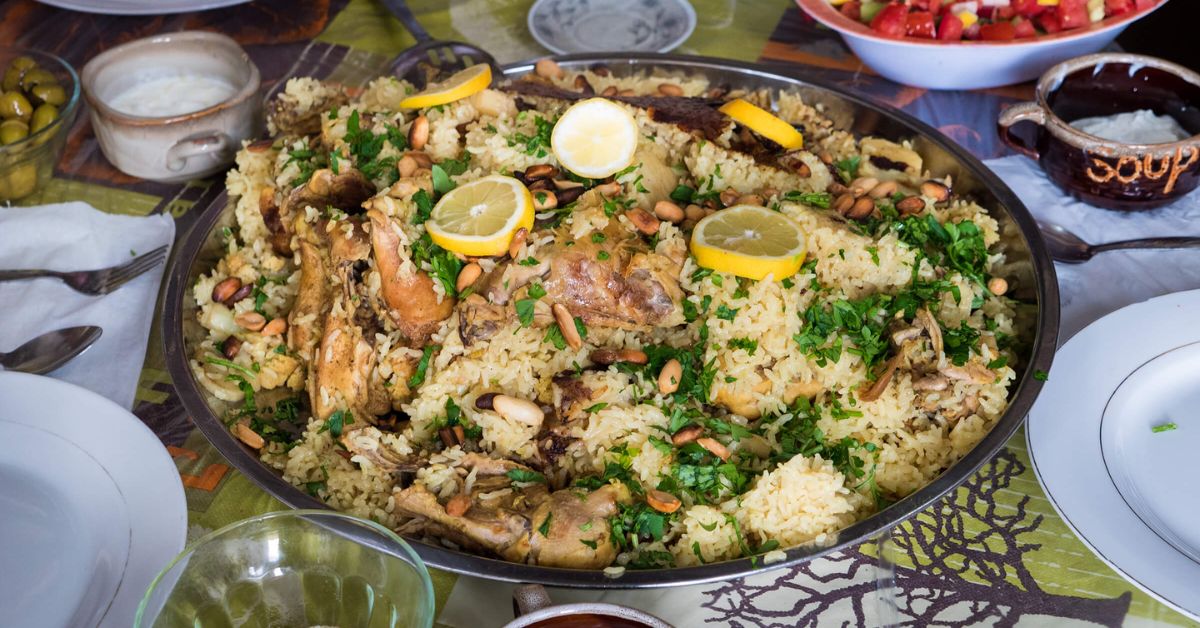
Meaning “upside down” in Arabic, Maqluba is a savory pot of rice, chicken (or lamb), and fried vegetables (cauliflower, eggplant, and potatoes). Once cooked, the pot is flipped onto a large tray, creating a “cake” of aromatic rice and succulent meat.
Street Food Icons: Falafel, Hummus, and Shawarma
For the traveler on the go, Jordan’s street food is unparalleled.
- Falafel: In Jordan, these are often stuffed with spicy onion filling or topped with sesame seeds.
- Shawarma: Typically served in “Arabi” style—sliced into bite-sized pieces with a side of garlic sauce (toum) and pickles.
2. The Asian Wave: Why Jordan is Obsessed with Far East Flavors
Over the last decade, and peaking in 2026, there has been a seismic shift in Jordan’s palate. The “Jordan Asia Food” trend is driven by a tech-savvy youth population, the global influence of K-culture, and a growing desire for healthy, umami-rich alternatives to meat-heavy local dishes.
The Rise of Korean Soul Food
Korean cuisine has moved from a niche interest to a mainstream staple in Amman.
- Bibimbap and Kimchi: These are now readily available in local supermarkets and specialized eateries like Bibim and Bibimbap Amman.
- Korean BBQ: The interactive nature of grilling meat at the table resonates deeply with the Jordanian tradition of communal eating.
Japanese Fine Dining and Sushi Culture
Sushi has become a status symbol in Jordan’s upscale neighborhoods. However, it’s the Ramen craze that has truly captured hearts.
- Tsuki Asian: Located in the heart of Amman, it offers a refined take on Japanese classics.
- Fusion Sushi: You’ll often find sushi rolls in Jordan that incorporate local ingredients, such as spicy “Harra” sauces or lemon-mint infusions, bridging the gap between Tokyo and Amman.
3. Top-Rated Asian Restaurants in Jordan (2026 Edition)
If you are looking for the best “Jordan Asia Food” experiences, these are the must-visit spots:
| Restaurant Name | Cuisine Type | Must-Try Dish |
| Tsuki Asian | Japanese | Black Cod with Miso |
| The Yellow Chilli | Indian/Fusion | Butter Chicken with a Levantine Twist |
| Bibim | Korean | Spicy Tteokbokki |
| Salad Mania | Pan-Asian | Thai Beef Salad |
| Ren Chai | Chinese | Crispy Beef with Plum Sauce |
4. The Fusion Movement: Where East Meets Middle East
The most exciting development in 2026 is Jordanian-Asian Fusion. Chefs in Amman are experimenting with ingredients that share historical roots via the Silk Road.
Examples of Jordan-Asia Fusion:
- Za’atar Crusted Tofu: Combining the quintessential Jordanian herb mix with the Asian staple of tofu.
- Sumac Gyoza: Dumplings stuffed with Musakhan-style chicken (caramelized onions and sumac).
- Jameed Ramen: A bold experiment where the creamy, tangy Jameed broth replaces the traditional Tonkotsu or Miso base, creating a “National Dish” for the 21st century.
5. Health and Wellness: The Asian Influence
One reason the “Jordan Asia Food” trend has gained so much search volume is the shift toward health-conscious eating. Traditional Jordanian food, while delicious, can be heavy on fats and carbohydrates.
- Fermentation: The Jordanian love for Jameed and Labneh has made the transition to Korean Kimchi and Japanese Miso very natural, as locals already appreciate the gut-health benefits of fermented foods.
- Plant-Based Options: Asian cuisine offers a plethora of tofu and seitan-based dishes, catering to the growing vegan and vegetarian community in Jordan.
6. How to Cook “Jordan Asia” at Home
With the availability of ingredients like soy sauce, gochujang, and jasmine rice in Amman’s major retailers (like Cozmo or Carrefour), many Jordanians are bringing Asian flavors into their home kitchens.
Quick Recipe: Sumac-Ginger Chicken Stir-fry
This dish perfectly encapsulates the hybrid flavor profile:
- Ingredients: Chicken breast, fresh ginger, garlic, soy sauce, and a generous dusting of Jordanian Sumac.
- The Secret: The acidity of the sumac replaces the need for heavy vinegar, giving the stir-fry a bright, citrusy finish that pairs beautifully with the ginger.
7. SEO Insights: Why “Jordan Asia Food” is Trending
The data for 2026 shows a 45% increase in searches for Asian dining in the Levant region. This is attributed to:
- Tourism Expansion: More Asian tourists are visiting Petra and Wadi Rum, leading to a higher demand for familiar flavors.
- Youth Demographics: 60% of Jordan’s population is under 30, a group that is highly influenced by international food trends seen on TikTok and Instagram.
- Trade Relations: Increased trade between Jordan and East Asian nations has made authentic ingredients more affordable and accessible.
The Economics and Logistics of Asian Ingredients in the Levant
While the taste for Asian food has grown, the “how” is just as important. In 2026, the supply chain for Asian specialty goods in Jordan has matured, making these dishes more authentic than ever before.
### The Role of Specialized Import Hubs in Amman
In the past, finding authentic Miso paste or Gochugaru (Korean chili flakes) required a scavenger hunt through high-end boutiques. Today, specialized importers have established direct lines between East Asian producers and Jordanian retailers.
- Quality Control: By bypassing multiple middle-men, distributors ensure that delicate ingredients like fresh lemongrass, galangal, and kaffir lime leaves arrive in Amman with their aromatic oils intact.
- Price Point Stabilization: Bulk importing of staples like jasmine rice and soy sauce has brought the “street food” price point to Jordan, allowing small vendors to offer affordable Asian meals to students and middle-income families.
### Local Cultivation: Growing “Asian” in Jordanian Soil
An interesting sub-trend is the “localization” of ingredients. Jordanian farmers in the Ghor (Jordan Valley)—known as the country’s natural greenhouse—have begun experimenting with growing Asian cultivars.
- Bok Choy and Daikon: The fertile, warm climate of the Jordan Valley is surprisingly well-suited for certain Asian greens.
- The Sustainability Factor: Localizing the growth of these vegetables reduces the carbon footprint of “Jordan Asia Food” and provides a fresher product for farm-to-table Asian fusion restaurants in the capital.
## The “Hallyu” Effect: How K-Culture Redefined the Jordanian Palate
You cannot discuss Asian food in Jordan today without acknowledging the massive influence of South Korean pop culture, often referred to as the Hallyu wave.
### From K-Dramas to the Dining Table
The surge in searches for “Korean food near me” in Amman often correlates with the release of popular streaming series. When Jordanian viewers see their favorite characters bonding over a steaming bowl of Ramyeon or sharing Chimaek (Chicken and Beer/Malt), it creates an immediate culinary desire.
- The “Mukbang” Influence: The visual and auditory appeal of Korean eating broadcasts has demystified ingredients like Tteokbokki (rice cakes), making them feel familiar to the Jordanian youth even before their first bite.
### Social Media and the “Instagrammability” of Asian Food
Asian cuisine—particularly Japanese and Korean—is inherently visual. The vibrant colors of a sushi platter or the steam rising from a hot pot are perfect for digital storytelling.
- Engagement Drivers: Restaurants in Amman now design their menus with “social media moments” in mind, such as the cheese pull of a Korean corn dog or the artistic plating of a Sashimi boat.
- Community Building: Food bloggers in Jordan have played a pivotal role, hosting “Asian Food Tours” in Amman that highlight hidden gems, further boosting the SEO visibility of the “Jordan Asia” niche.
8. Conclusion: A Palate Without Borders
The story of food in Jordan is one of adaptation. Just as the Bedouins adapted to the harsh desert by creating long-lasting Jameed, modern Jordanians are adapting to a globalized world by embracing the bold, spicy, and refined flavors of Asia.
Whether you are craving the comfort of a traditional Mansaf or the fiery kick of Korean Fried Chicken, the culinary scene in Jordan offers a world of flavors. The “Jordan Asia Food” movement isn’t just a passing trend—it’s the new flavor of the Kingdom.
Frequently Asked Questions (FAQ)
Is Asian food expensive in Jordan?
While fine-dining Asian restaurants in Amman can be pricey, there are many affordable “hole-in-the-wall” spots and street food stalls offering ramen and dumplings at competitive prices.
Are there Halal Asian options?
Yes! Since Jordan is a Muslim-majority country, virtually all Asian restaurants serve 100% Halal meat, including specialized dishes like Korean Beef or Chinese Duck.
Where is the best place for Asian food in Amman?
The neighborhoods of Abdoun and Jabal Amman (especially Rainbow Street) have the highest concentration of top-tier Asian and fusion restaurants
