
The Key Food weekly circular has become one of the most powerful tools for smart shoppers looking to stretch their grocery budget without sacrificing quality. Whether you’re a busy parent, a college student, or simply someone trying to cut expenses, understanding how to use the Key Food weekly ad can unlock significant savings every single week.
In this comprehensive guide, we’ll explore everything you need to know about the Key Food weekly circular from how it works to advanced strategies that help you maximize every dollar spent.
What is the Key Food Weekly Circular?
The Key Food weekly circular is a promotional flyer released by Key Food supermarkets that highlights discounts, deals, and special offers available for a limited time—usually one week. It features a wide variety of products including fresh produce, meat, dairy, pantry items, beverages, and household essentials.
These circulars are designed to:
- Attract customers with competitive pricing
- Promote seasonal products
- Highlight store-specific deals
- Encourage bulk buying and savings
Why the Key Food Weekly Circular Matters
In today’s economy, grocery costs are rising steadily. The weekly circular helps shoppers:
- Save money on essentials
- Discover new products at discounted prices
- Plan meals efficiently
- Reduce impulse spending
By aligning your shopping habits with weekly deals, you can cut your grocery bill by 20–40%.
How to Access the Key Food Weekly Circular
You can access the circular in multiple ways:
1. Online
Visit the official Key Food website to browse the latest deals digitally. This is the fastest and most convenient option.
2. In-Store Flyers
Printed copies are usually available at the store entrance.
3. Email Subscriptions
Many stores allow you to subscribe for weekly updates directly in your inbox.
4. Mobile Apps
Some grocery deal aggregator apps also feature Key Food circulars.
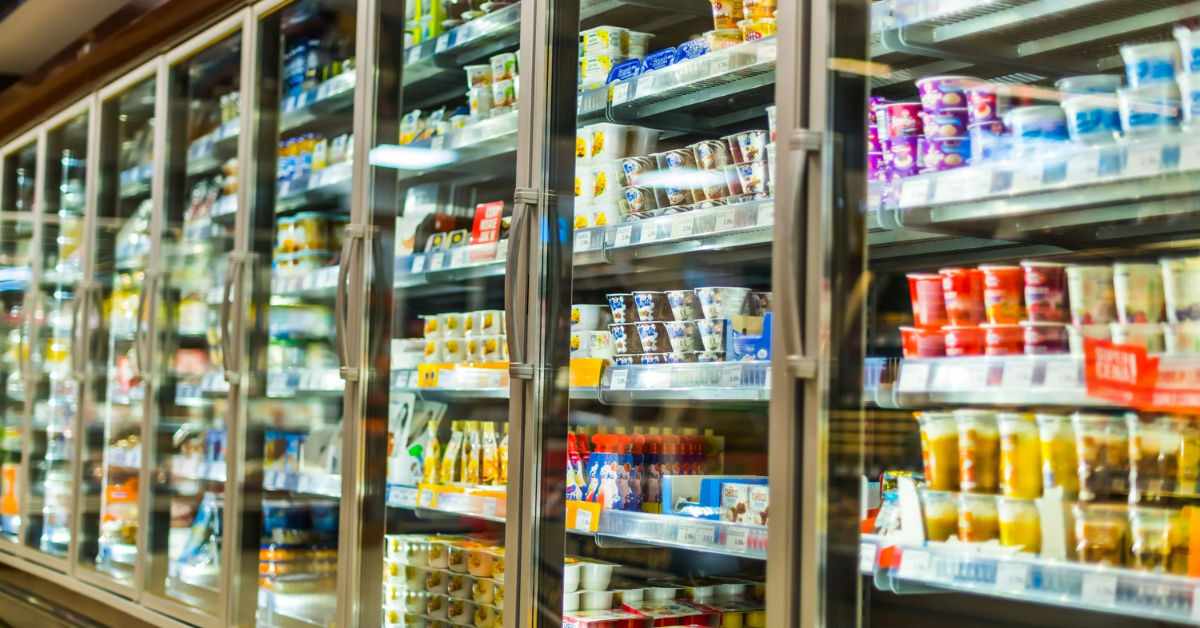
Visual Overview of Weekly Grocery Deals
Typical Key Food weekly circular pages showcasing discounts on produce, meat, and packaged goods.
What You’ll Find in the Weekly Circular
Fresh Produce Deals
Seasonal fruits and vegetables are often heavily discounted.
Examples:
- Apples, bananas, oranges
- Leafy greens
- Tomatoes and onions
Meat and Seafood Offers
Protein is one of the most expensive grocery categories, but the circular often features:
- Chicken (whole or parts)
- Beef cuts
- Fish and seafood
Dairy and Eggs
Staples like milk, cheese, butter, and eggs are frequently included in weekly deals.
Pantry Staples
You’ll find discounts on:
- Rice, pasta, flour
- Cooking oils
- Canned goods
Snacks and Beverages
Chips, sodas, juices, and frozen treats often come with buy-one-get-one (BOGO) offers.
Household Items
Cleaning supplies, paper towels, and toiletries are also featured.
How to Read the Key Food Circular Like a Pro
1. Focus on Front Page Deals
These are “loss leaders”—products priced very low to attract customers.
2. Look for BOGO Offers
Buy-one-get-one deals provide excellent value, especially for non-perishables.
3. Check Unit Pricing
Don’t just look at the discount—compare price per unit.
4. Watch Expiration Dates
Most deals are valid for a limited time (usually 7 days).
Smart Shopping Strategy Using the Weekly Circular
Step 1: Plan Your Meals
Build your weekly menu around discounted items.
Example:
If chicken is on sale → plan grilled chicken, curry, or stir-fry meals.
Step 2: Make a Shopping List
Stick strictly to items in the circular to avoid overspending.
Step 3: Combine Coupons
Use manufacturer coupons alongside circular deals for double savings.
Step 4: Buy in Bulk (When Worth It)
Stock up on non-perishables when prices are at their lowest.
Meal Planning with Key Food Deals
Meal planning is one of the biggest advantages of using the weekly circular.
Sample Weekly Meal Plan Based on Deals
Monday: Chicken stir-fry
Tuesday: Pasta with tomato sauce
Wednesday: Vegetable curry
Thursday: Grilled fish
Friday: Homemade pizza
Saturday: Rice and beans
Sunday: Roast chicken
This approach ensures minimal waste and maximum savings.
Digital vs Printed Circular: Which is Better?
| Feature | Digital Circular | Printed Circular |
| Accessibility | Anytime, anywhere | Requires physical copy |
| Updates | Real-time | Weekly only |
| Eco-Friendly | Yes | No |
| Ease of Use | Searchable | Manual browsing |
Verdict: Digital circulars are more convenient and efficient.
Best Times to Shop Using the Circular
- Early in the Week: Best selection of sale items
- Midweek: Less crowded stores
- Late Week: Clearance deals (limited availability)
Seasonal Savings Opportunities
The Key Food weekly circular changes based on seasons:
Summer
- BBQ items
- Fresh fruits like watermelon
Winter
- Comfort foods
- Baking supplies
Holiday Seasons
- Special discounts on festive foods
- Bulk deals
Common Mistakes to Avoid
1. Buying Unnecessary Items
Just because it’s on sale doesn’t mean you need it.
2. Ignoring Unit Prices
A larger pack isn’t always cheaper.
3. Not Checking Expiry Dates
Especially important for perishables.
4. Skipping Comparison Shopping
Sometimes other stores may offer better deals.
Advanced Saving Techniques
Stack Discounts
Combine:
- Weekly circular deals
- Store promotions
- Coupons
Use Loyalty Programs
Many Key Food stores offer reward systems.
Track Price Cycles
Products go on sale in predictable patterns—learn them.
Shop with a Budget Limit
Always set a spending cap before entering the store.
Benefits of Using the Key Food Weekly Circular
- Helps manage household budgets
- Encourages smarter buying decisions
- Reduces food waste
- Saves time through planning
How the Weekly Circular Supports Smart Consumers
The circular isn’t just about discounts—it’s about strategy. It empowers consumers to:
- Make informed decisions
- Avoid impulse purchases
- Shop with purpose
Tips for First-Time Users
- Start small—focus on a few deals
- Compare prices with other stores
- Keep receipts to track savings
- Gradually build a routine
Future of Grocery Circulars
With technology evolving, weekly circulars are becoming:
- More personalized
- Digitally interactive
- AI-driven (recommendations based on buying habits)
What is the Key Food Weekly Circular?
The Key Food Weekly Circular is a promotional advertisement released every week by Key Food stores. It highlights discounted items, limited-time offers, seasonal deals, and special promotions across multiple product categories.
These circulars typically include:
- Fresh produce discounts
- Meat and seafood deals
- Dairy and frozen food promotions
- Pantry staples
- Household essentials
The main purpose of the circular is to attract shoppers while helping them save money on everyday groceries.
Why the Weekly Circular is Important for Smart Shopping
Using the weekly circular is not just about finding cheap items—it’s about planning smarter. Many experienced shoppers rely on these ads to structure their weekly grocery trips.
Key Benefits:
- Helps reduce overall grocery spending
- Allows better meal planning
- Highlights seasonal and fresh products
- Prevents impulse buying
When used correctly, the circular can reduce your grocery bill by up to 30%.
Understanding How the Circular is Structured
To use the circular effectively, you need to understand how it is organized.
Front Page Deals
These are the most attractive offers and are often called “loss leaders.” Stores sell these items at very low prices to bring customers in.
Category-Based Sections
Inside the circular, products are grouped into categories like:
- Fruits and vegetables
- Meat and poultry
- Snacks and beverages
- Frozen foods
Limited-Time Offers
Most deals are valid for a specific period, usually 7 days. Missing these windows means losing the discount.
How to Read the Weekly Circular Like a Pro
Many people look at the circular but don’t use it properly. Here’s how to read it effectively:
Look Beyond the Price Tag
Check the unit price (price per kg or per item) to understand the real value.
Identify Best Deals
Focus on items with:
- Large discounts
- Buy-One-Get-One (BOGO) offers
- Bulk savings
Compare with Regular Prices
Not all deals are truly discounted—some are marketing tricks.
Strategic Meal Planning Using Weekly Deals
One of the smartest ways to use the Key Food Weekly Circular is by planning meals around discounted items.
Example Strategy:
If chicken is on sale → plan multiple chicken-based meals
If vegetables are discounted → cook more plant-based dishes
Benefits of Meal Planning:
- Saves money
- Reduces food waste
- Saves time during the week
How to Save More with Combined Offers
To maximize savings, combine multiple discount methods.
Stack Your Savings:
- Weekly circular deals
- Manufacturer coupons
- Store loyalty rewards
Example:
If pasta is on sale + coupon available → double savings
Common Mistakes to Avoid When Using Circulars
Even experienced shoppers make mistakes. Avoid these:
Buying Unnecessary Items
Just because something is on sale doesn’t mean you need it.
Ignoring Expiry Dates
Perishable items can go bad before you use them.
Not Comparing Stores
Sometimes other supermarkets offer better deals.
Seasonal Trends in Key Food Weekly Circular
The circular changes depending on the season.
Summer Deals:
- BBQ items
- Fresh fruits
Winter Deals:
- Soups and comfort foods
- Baking ingredients
Holiday Specials:
- Bulk discounts
- Festive items
Understanding these trends helps you predict future deals.
Advanced Strategies for Maximizing Weekly Circular Savings
If you want to go beyond basic savings, these advanced techniques can help you save significantly more.
Stockpiling Strategy
Buy non-perishable items in bulk when they are at their lowest price.
Best Items to Stockpile:
- Rice
- Pasta
- Canned goods
- Cooking oil
Price Tracking Method
Track prices over several weeks to identify patterns.
Why This Works:
- Many items go on sale in cycles
- You’ll know the “lowest price” for each product
Shopping Timing Strategy
Timing matters when shopping:
- Early week → best selection
- Midweek → less crowded
- End of week → clearance deals
Budget Control System
Set a strict weekly budget based on circular deals.
Example:
- Budget: $50
- Only buy items listed in circular
- Avoid extras
Digital Transformation of Grocery Circulars and Future Trends
The traditional paper circular is evolving rapidly with digital technology.
Rise of Digital Circulars
Many shoppers now prefer online circulars because they offer:
- Real-time updates
- Search functionality
- Personalized recommendations
AI-Powered Shopping
Modern systems analyze your shopping habits and suggest deals tailored to you.
Mobile Integration
Apps now allow you to:
- Save deals
- Create shopping lists
- Get notifications
Eco-Friendly Shift
Digital circulars reduce paper waste and support environmental sustainability.
Practical Weekly Shopping Plan (Step-by-Step)
Here’s a simple method to use the circular effectively:
Step 1: Check the Circular
Review all deals before planning anything.
Step 2: Plan Meals
Base your meals on discounted items.
Step 3: Make a List
Write only what you need.
Step 4: Set Budget
Decide how much you will spend.
Step 5: Shop Smart
Avoid distractions and stick to your list.
Real-Life Example of Savings
Let’s say you normally spend $100 per week.
By using the circular:
- Discounts save: $20
- Coupons save: $10
- Bulk deals save: $10
Total weekly savings: $40
Monthly savings: $160
Psychological Benefits of Smart Shopping
Using the weekly circular doesn’t just save money—it also improves your mindset.
You Feel More in Control
Planning reduces stress and confusion.
Less Impulse Buying
You shop with purpose.
Better Financial Discipline
You become more aware of spending habits.
Final Thoughts
The Key Food weekly circular is more than just a flyer—it’s a powerful money-saving tool that can transform how you shop for groceries. By understanding how to read and use it effectively, you can significantly reduce your grocery expenses while still enjoying high-quality food.
Whether you’re planning meals, stocking up on essentials, or hunting for the best deals, the weekly circular should be your go-to resource every time you shop.
