

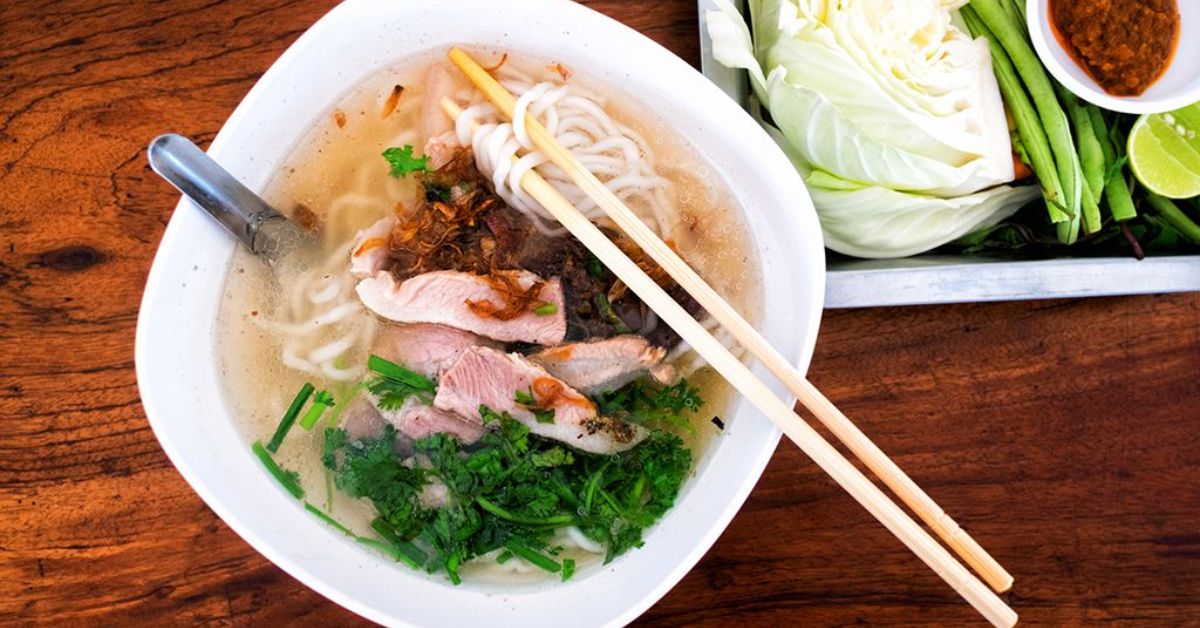
When you walk into a Vietnamese restaurant, the first thing that hits you isn’t the décor—it’s the aroma. A complex, steaming perfume of charred ginger, star anise, and cinnamon wafts from giant vats of simmering broth. It is the scent of Pho (pronounced fuh), the soul of Vietnamese cuisine.
But as we become more conscious of what we put into our bodies, a pressing question arises: Is pho healthy?
The short answer is: Yes, absolutely. However, like any dish that has traveled the globe and adapted to restaurant portions, there are nuances to consider—from sodium levels to carbohydrate counts. In this comprehensive guide, we will dissect every ingredient in a bowl of pho, analyze its nutritional profile, and show you how to enjoy this delicious soup while hitting your health goals in 2026.
What Exactly Is Pho?
Before we dive into the macros, let’s look at the anatomy of the dish. Traditional pho consists of four primary components:
- The Broth: The heart of the dish, typically made by simmering beef or chicken bones for 6 to 24 hours.
- The Noodles: Soft, flat rice noodles known as banh pho.
- The Protein: Thinly sliced beef (Pho Bo), chicken (Pho Ga), or tofu/vegetables (Pho Chay).
- The Toppings: Fresh herbs (Thai basil, cilantro, culantro), bean sprouts, lime wedges, and chili.
Nutritional Breakdown: What’s Inside the Bowl?
A standard medium-sized bowl of beef pho (approx. 20 oz or 600g) typically contains:
| Nutrient | Amount (Approx.) | % Daily Value |
| Calories | 350–500 kcal | 20% |
| Protein | 25–30g | 55% |
| Fat | 8–12g | 15% |
| Carbohydrates | 45–60g | 20% |
| Sodium | 1,200–1,500mg | 55% |
| Iron | 3.5mg | 20% |
1. The Power of Bone Broth
The most significant health benefit of pho lies in its broth. Because the bones (often marrow and knuckle bones) are simmered for a long time, they release collagen, glycine, and chondroitin.
- Joint Health: Glucosamine and chondroitin are the building blocks of cartilage. Regular consumption may help reduce joint pain.
- Gut Health: The gelatin in the broth can help “seal” the gut lining, making it a favorite for those managing “leaky gut” or general digestive issues.
- Hydration: Since pho is mostly liquid, it’s an excellent way to replenish fluids and electrolytes, especially during the dry winter months or after a workout.
2. The Healing Spices
Pho isn’t just seasoned; it’s medicated. The traditional spices used are staples in Eastern medicine for a reason:
- Ginger: Contains gingerol, a potent anti-inflammatory compound that aids digestion and reduces nausea.
- Star Anise: Rich in shikimic acid (used to make Tamiflu), it has strong antiviral and antimicrobial properties.
- Cinnamon: Known for its ability to help regulate blood sugar levels and reduce oxidative stress.
- Coriander/Cilantro: Helps detoxify heavy metals from the body and provides a burst of Vitamin K.
3. High-Quality Protein
With 25 to 30 grams of protein per bowl, pho is a muscle-building powerhouse.
- Beef Pho: Provides high amounts of Heme Iron (the most absorbable form) and Vitamin B12, which are crucial for energy and red blood cell production.
- Chicken Pho: Offers a leaner profile with less saturated fat, making it a heart-healthy alternative.
Is Pho Good for Weight Loss?
If you are looking to shed a few pounds, pho can be your best friend. Here’s why:
- High Satiety: The combination of a high-volume liquid (the broth) and high protein (the meat) triggers hormones that tell your brain you are full.
- Low Caloric Density: Compared to a burger (800+ calories) or a bowl of ramen (700-1,000 calories), a 400-calorie bowl of pho is a steal.
- Metabolic Boost: The spicy additions—jalapeños and sriracha—contain capsaicin, which can slightly increase your metabolic rate and suppress appetite.
Pro Tip: To make it even more weight-loss friendly, ask for “half noodles” and “double bean sprouts.” You’ll get the same volume and crunch with half the refined carbs.
The Science of the Simmer: Why 24-Hour Broth is a Nutritional Powerhouse
To truly understand if pho is healthy, one must look at the molecular level of the broth. This isn’t just “soup water”; it is a bio-available liquid gold that acts as a delivery system for essential minerals.
The Extraction of Amino Acids and Electrolytes
The long simmering process (often exceeding 12 hours) performs a task that quick-cooking cannot: it breaks down the connective tissues of the beef or chicken.
- Glycine and Proline: These amino acids are found in high concentrations in pho broth. They are the primary components of collagen, which supports skin elasticity and prevents the “gut leak” often associated with modern processed diets.
- Natural Electrolytes: Unlike sports drinks loaded with blue dye and sugar, pho broth contains natural potassium, magnesium, and calcium extracted directly from the bone marrow. This makes it a premier recovery meal for athletes or those recovering from illness.
Bioavailability of Fat-Soluble Vitamins
While some health enthusiasts fear the “oil” on top of a bowl of pho, that fat serves a purpose. The spices used—specifically cinnamon and cloves—contain antioxidants that are fat-soluble. A small amount of healthy tallow (beef fat) in the broth ensures that your body actually absorbs the vitamins from the herbs and spices rather than letting them pass through your system.
Regional Varieties: How Health Profiles Shift Across Vietnam
Not all pho is created equal. Depending on whether you are eating Northern (Phở Bắc) or Southern (Phở Nam) style, the health benefits and caloric density change significantly.
Northern Pho (Phở Bắc): The Minimalist’s Choice
Originating in the Nam Dinh and Hanoi regions, Northern pho is the “cleaner” version of the dish.
- Lower Sugar Content: The North focuses on the purity of the broth. You will find almost no sugar or hoisin sauce in a Northern bowl, making it the superior choice for those watching their glycemic index.
- Simple Aromatics: It relies heavily on ginger and green onions, which are excellent for boosting the immune system without adding calorie-heavy garnishes.
Southern Pho (Phở Nam): The Micronutrient Powerhouse
The Southern style is what most Westerners are familiar with. It is characterized by its sweetness and its massive plate of “extras.”
- Herb Density: The Southern style invites the diner to add a forest of Thai basil, culantro, and sprouts. This drastically increases the Phytochemical content of the meal—providing a massive dose of chlorophyll and plant-based fiber.
- The Customization Caveat: Because the South uses more rock sugar in the broth and encourages the use of dipping sauces, it can be higher in calories. However, for the health-conscious eater, it offers the best opportunity to turn a “noodle soup” into a “salad soup” by loading up on the greens.
The 2026 Evolution: Adapting Pho for Modern Diets (Keto, Paleo, and Gluten-Free)
As nutritional science evolves, so does the way we consume traditional dishes. For those following strict metabolic protocols, the “traditional” bowl of pho can be easily modified to fit into a modern lifestyle without losing the essence of its flavor profile.
Low-Carb and Keto Pho: Solving the Noodle Problem
The primary barrier for the Keto community has always been the Banh Pho (rice noodles). However, in 2026, we see a rise in “Smart Pho” alternatives:
- Shirataki (Miracle) Noodles: These are made from konjac yam and consist of 97% water and 3% fiber. They absorb the pho broth perfectly while contributing near-zero calories and zero net carbs.
- Zoodles and Spaghetti Squash: For those seeking a whole-food approach, spiralized zucchini provides a crunch that mimics the texture of slightly al dente noodles while adding a boost of Vitamin C and Manganese.
- The “No-Noodle” Trend: Many health enthusiasts are now ordering “Pho Khong Banh,” which is simply the broth, meat, and triple the amount of bean sprouts. This turns the meal into a high-protein, high-collagen “fat bomb” that supports ketosis.
Pho for the Plant-Based Generation (Phở Chay)
Vegetarianism and veganism are no longer niche; they are mainstream health choices. Achieving a “healthy” vegan pho requires more than just removing the beef.
- Umami Without the Meat: To get the same depth of flavor, 2026 chefs are utilizing dried shiitake mushrooms, charred daikon radish, and fermented bean paste. These provide the “umami” (savory taste) that triggers satiety in the brain.
- Plant Protein Synergy: Replacing beef with organic tofu and bok choy ensures a complete amino acid profile while reducing the saturated fat content to near zero. This version is particularly effective for heart health and managing cholesterol levels.
Beyond the Bowl: The Psychological and Circadian Benefits of Eating Pho
Health isn’t just about macronutrients; it’s about how food interacts with our nervous system. Pho offers unique benefits that are often overlooked in standard nutritional articles.
The “Warmth Effect” on the Vagus Nerve
The Vagus nerve is the main component of the parasympathetic nervous system, responsible for the “rest and digest” state.
- Temperature Regulation: Sipping hot, nutrient-dense broth has a thermal effect that instantly signals the body to lower its cortisol (stress hormone) levels.
- Digestive Fire: In Eastern medicine, the heat from the broth and the “warming” spices (ginger/cinnamon) are said to stoke the Agni or digestive fire, making it easier for your body to break down nutrients later in the day.
Pho as a Circadian-Friendly Dinner
In 2026, we are learning more about Chrononutrition—the timing of when we eat.
- The Tryptophan Connection: Beef and chicken contain tryptophan, the precursor to serotonin and melatonin. When consumed in a warm soup format in the evening, it can help prepare the body for a deeper, more restorative sleep cycle.
- Easy Digestion before Bed: Unlike a heavy steak or a greasy pizza, the “pre-digested” nature of a long-simmered broth means your stomach doesn’t have to work overtime during the night. This leads to better Sleep Quality Scores on wearable health trackers.
The “Hidden” Downsides: Sodium and Carbs
No food is perfect. To answer “is pho healthy” honestly, we have to look at the caveats.
The Sodium Surge
The biggest red flag in restaurant pho is salt. To achieve that deep umami flavor, many chefs use large amounts of salt and fish sauce. A single bowl can contain over 1,500mg of sodium—more than 60% of your daily recommended limit. This can lead to water retention and elevated blood pressure in salt-sensitive individuals.
Refined Carbohydrates
While rice noodles are naturally gluten-free, they are still a refined carbohydrate. They have a moderate Glycemic Index (GI), meaning they can cause a spike in blood sugar if eaten in large quantities without enough fiber or protein to slow absorption.
Pho vs. Ramen: Which is Healthier?
It’s the ultimate noodle showdown. While both are delicious, pho is generally considered the healthier choice for several reasons:
- The Noodles: Ramen noodles are made with wheat and are often deep-fried before being dried, adding significant fat and calories. Pho noodles are steamed rice flour.
- The Broth: Ramen broth (especially Tonkotsu) is often loaded with pork fat and creaminess. Pho broth is a “clear” soup, where the fat is usually skimmed off during the cooking process.
- The Toppings: Ramen often features fatty pork belly (chashu). Pho features fresh, raw herbs and lean cuts of beef that cook instantly in the hot broth.
[Image comparing a bowl of Pho and a bowl of Ramen with calorie and fat labels]
How to Order the Healthiest Pho (The 2026 Hack List)
Next time you’re at your local Vietnamese spot, use these tips to optimize your bowl:
- Choose Lean Cuts: Ask for Tai (eye of round steak) or Ga (chicken breast). Avoid Gau (fatty brisket) or Nuoc Beo (extra fat/oil added to the broth).
- Load Up on “The Side”: That plate of bean sprouts, basil, and lime isn’t a garnish—it’s your fiber source. Dump the whole plate in!
- Go Easy on the Sauces: Hoisin sauce is delicious, but it’s essentially “Vietnamese BBQ sauce”—loaded with sugar. If you need flavor, stick to fresh lime and a little sriracha or chili oil.
- Don’t Drink All the Broth: This is the hardest rule to follow, but most of the sodium stays in the liquid. If you eat the noodles, meat, and veggies but leave half the broth, you’ve just cut your sodium intake significantly.
Recipe: The “Ultimate Wellness” Homemade Pho
The best way to ensure pho is healthy is to make it at home. You can control the salt and use the highest quality bones.
Ingredients:
- 2 lbs beef marrow bones
- 1 onion and a 4-inch piece of ginger (charred over a flame)
- Pho Spice Pack: 2 star anise, 1 cinnamon stick, 3 cloves, 1 tsp coriander seeds
- Low-Sodium beef broth (or water)
- 1 lb lean sirloin, sliced paper-thin
- Brown rice noodles (for extra fiber)
Instructions:
- Parboil the bones: Boil bones for 10 minutes, then drain and rinse. This keeps the broth “clear” and removes impurities.
- Simmer: Place bones, charred onion, ginger, and spices in a slow cooker or large pot. Cover with water.
- Wait: Simmer on low for at least 8 hours (24 is better!).
- Season: Use a splash of high-quality fish sauce instead of salt for a deeper flavor with less sodium.
- Assemble: Place cooked noodles in a bowl, top with raw beef slices, and pour the boiling broth over to cook the meat instantly.
Frequently Asked Questions (FAQs)
Is pho healthy for diabetics?
Yes, with modifications. Because the rice noodles can spike blood sugar, diabetics should opt for a smaller portion of noodles and a larger portion of bean sprouts and lean protein. The protein and fat in the broth help dampen the glycemic response.
Is pho gluten-free?
Standard pho is usually gluten-free because rice noodles are used. However, be cautious: some hoisin sauces contain wheat, and some restaurants might add soy sauce (which contains gluten) to their broth. Always ask!
Can I eat pho every day?
If it’s homemade and you monitor the sodium, yes! It’s a balanced meal of protein, carbs, and healthy fats. If you’re eating restaurant pho, the high sodium might make daily consumption less ideal for your heart health.
