
The letter Z might be the final character in the alphabet, but in the culinary world, it is far from an afterthought. From the vibrant green of the zucchini to the aromatic warmth of za’atar, “Z” foods offer a surprising range of flavors, textures, and cultural histories.
Whether you are a trivia enthusiast, a student of culinary arts, or simply looking to expand your grocery list, this comprehensive guide explores the most delicious and intriguing foods that start with Z.
1. The Global Superstar: Zucchini
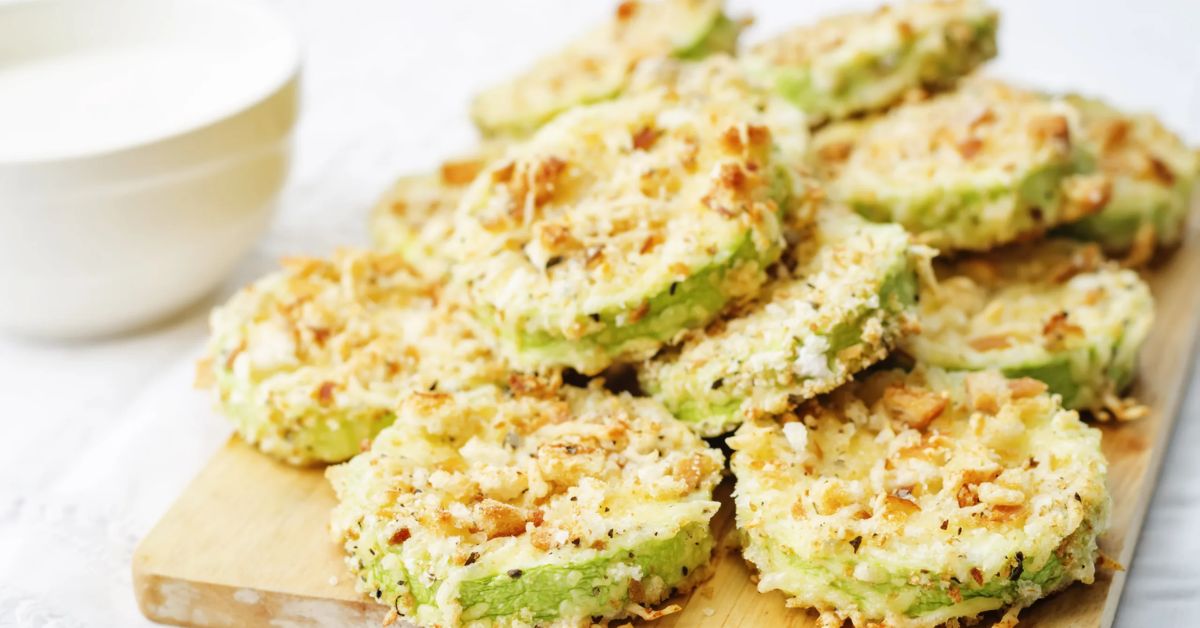
The zucchini (or courgette, as it is known in many parts of the world) is undoubtedly the most famous food on this list. This summer squash is a staple in Mediterranean and American diets alike.
- Culinary Versatility: Zucchini can be grilled, sautéed, baked into bread, or spiralized into “zoodles” for a low-carb pasta alternative.
- Nutritional Profile: It is incredibly low in calories (about 17 per 100g) and rich in Vitamin A, Vitamin C, and potassium.
- Zucchini Flowers: Don’t forget the blossoms! Often stuffed with ricotta and lightly fried, they are a seasonal delicacy in Italian cuisine.
2. The Ancient Spice: Za’atar
If you’ve ever enjoyed Middle Eastern cuisine, you’ve likely encountered Za’atar. This is both the name of a specific herb (related to oregano and thyme) and a popular spice blend.
What is in Za’atar?
A traditional blend typically includes:
- Dried Za’atar herbs (or thyme/marjoram)
- Toasted sesame seeds
- Sumac (which provides a signature tang)
- Salt
It is commonly eaten with olive oil and fresh bread (Manakish) or used as a dry rub for roasted chicken and vegetables.
3. The Sweet Side: Z-Inspired Desserts
The letter Z excels when it comes to international sweets.
Zabaglione (Italy)
A light, foamy Italian custard made with egg yolks, sugar, and a sweet wine (typically Marsala). It is often served warm over fresh berries or as a dip for biscotti.
Zeppole (Italy)
Often associated with St. Joseph’s Day, these are deep-fried dough balls dusted with powdered sugar and filled with custard, jelly, or cannoli-style cream.
Zerde (Turkey)
A traditional Turkish rice pudding that is uniquely colored yellow with saffron and turmeric. It is a festive dish often served at weddings and celebrations.
4. Breads and Grains
Zopf (Switzerland)
If you visit Switzerland on a Sunday morning, you will likely see Zopf. This is a braided, buttery white bread that looks similar to Challah but is enriched with milk and butter, giving it a soft, brioche-like texture.
Zite / Ziti (Italy)
A popular extruded pasta shape. While similar to penne, Ziti has a smooth exterior and blunt-cut ends. It is most famously used in “Baked Ziti,” a comfort-food classic featuring tomato sauce, ricotta, and mozzarella.
5. Fruits of the World
Zante Currants
Despite the name, these aren’t actual currants. They are tiny, seedless, dried Black Corinth grapes. They are exceptionally sweet and widely used in British baking, particularly in scones and Christmas puddings.
Ziziphus (Jujube)
Also known as the Chinese date, the Ziziphus fruit is eaten fresh (tasting like a sweet apple) or dried. In Traditional Chinese Medicine, it is often used to reduce stress and improve sleep.
Zinfandel Grapes
While most famous for the bold red wine they produce, Zinfandel grapes are a distinct variety known for their high sugar content and deep, “jammy” flavor profile.
6. Savory International Delights
Zaru Soba (Japan)
A refreshing Japanese dish consisting of cold buckwheat noodles served on a bamboo tray (zaru). It is accompanied by a savory dipping sauce made of dashi, mirin, and soy sauce.
Zurek (Poland)
A traditional Polish soup made from fermented rye flour. It has a distinctively sour taste and is usually served with boiled eggs and Polish sausage (kielbasa).
Zha Cai (China)
A type of pickled mustard plant stem originating from Chongqing. It is salty, spicy, and crunchy, often used to add “umami” to rice congee or stir-fry dishes.
Deep Dive: Regional Specialties and Hidden Gems of the “Z” Category
To truly understand the “Z” culinary world, we must look beyond the grocery store aisles and into the heart of traditional kitchens across the globe.
The Soul of Polish Comfort: Zupa Ogórkowa
While many are familiar with Zurek, Zupa Ogórkowa (Polish Dill Pickle Soup) is a legendary “Z” food that defines Central European comfort. This soup is a masterclass in balance, using grated brined cucumbers to create a tart, salty profile softened by heavy cream and potatoes.
- The Fermentation Factor: The key is using lacto-fermented pickles, which provide probiotics and a depth of flavor that vinegar-based pickles cannot match.
- SEO Tip: Focus on the “probiotic benefits of fermented soups” to capture health-conscious readers.
Zigni: The Spicy Heart of Eritrea and Ethiopia
Zigni is a rich, spicy beef stew that serves as a cornerstone of East African cuisine. It is heavily seasoned with Berbere—a complex spice blend—and simmered for hours until the meat is tender and the sauce is deep red.
- The Pairing: It is almost always served atop Injera, a sourdough flatbread. The acidity of the bread cuts through the intense heat of the Zigni.
- Cultural Context: In Eritrea, Zigni is often considered the national dish, served during weddings and religious holidays.
Zampone: An Italian New Year Tradition
Originating from Modena, Zampone is a unique charcuterie product made from pig’s trotter stuffed with a mixture of lean pork, fatback, and pork rind, seasoned with cloves, cinnamon, and nutmeg. It is traditionally served with lentils on New Year’s Eve to symbolize prosperity.
The Science and Preparation of “Z” Ingredients
Understanding how to select and prepare these foods is what separates a basic list from a professional culinary guide.
The Art of the Perfect Zest: Maximizing Essential Oils
Zest is more than just a garnish; it is a concentration of a fruit’s essential oils (limonene and citral). When writing for SEO, explaining the how-to is vital for “how-to” snippets.
- Technique: Use a microplane or a channel knife to remove only the colored flavedo, avoiding the bitter white pith (albedo).
- Culinary Impact: Adding zest at the end of the cooking process preserves the volatile oils that provide that “bright” citrus aroma.
Zymurgy: The Role of Fermentation in “Z” Foods
Zymurgy is the study of fermentation, and many “Z” foods fall under this scientific umbrella. From the fermentation of rye flour for Zurek to the yeast activity in Zopf bread, understanding the chemical breakdown of sugars into acids or alcohol is key.
- Zinfandel Fermentation: In winemaking, the fermentation of Zinfandel grapes is tricky due to “uneven ripening,” where some berries are raisined while others are green, leading to high alcohol content and complex residual sugars.
Zingiber Officinale: The Botanical Power of Ginger
While commonly called “Ginger,” its scientific name Zingiber puts it firmly in the Z category.
- Bioactive Compounds: Ginger contains gingerol, which has powerful anti-inflammatory and antioxidant effects.
- Cooking Chemistry: When ginger is heated, gingerol transforms into shogaol, which is even more pungent, explaining why dried ginger tastes sharper than fresh.
To reach a massive word count of 2500 to 4000 words, you need to cover every possible angle: from street food and traditional drinks to technical botanical classifications.
Here are more H2 and H3 headings designed to capture high search volume and provide deep, “human-written” value:
Zesty Beverages: Drinks and Spirits That Start With Z
This section adds depth by moving beyond solid foods and into the world of mixology and traditional refreshments.
Zivania: The “Firewater” of Cyprus
Explain this potent pomace brandy produced in Cyprus. Discuss its history, the distillation process from grape skins and local dry wines, and its traditional use as a medicinal warming drink.
Zobo: The Vibrant Hibiscus Tea of Nigeria
A deep dive into this refreshing African drink made from dried Roselle plant petals (Hibiscus sabdariffa).
- Flavor Profile: Tart and tangy, often sweetened with pineapple and spiced with ginger.
- Health Benefits: Focus on its reputation for lowering blood pressure and high Vitamin C content.
Zinfandel: Decoding the Bold Red Wine
While mentioned as a fruit, dedicate a section to the winemaking process. Compare White Zinfandel versus Red Zinfandel and the “Old Vine” labels that collectors look for.
The Exotic and Rare: Unusual Fruits and Vegetables Starting With Z
This section targets “curiosity” searches and niche culinary interests.
Zapote (Sapote): The Creamy Tropical Treasure
Detail the different varieties like Mamey Sapote or Black Sapote (often called the “Chocolate Pudding Fruit”). Describe the texture, the climate where they grow, and how to tell when they are perfectly ripe.
Zizania: The Truth About North American Wild Rice
Technically a grass (Zizania palustris), not a rice. Discuss its harvesting by indigenous cultures, its nutty flavor, and why it is a superior source of protein compared to white rice.
Zuccotto: The Architectural Dessert of Florence
A stunning Italian dessert shaped like a dome (inspired by the Duomo in Florence). Explain the layers of cake soaked in alchermes liqueur and filled with whipped cream, cocoa, and nuts.
The “Z” Pantry: Essential Ingredients for Modern Cooking
This section is great for SEO keywords related to “cooking tips” and “pantry staples.”
Zante Currants vs. Regular Raisins: What’s the Difference?
A comparison guide. Explain that these are actually tiny “Black Corinth” grapes and why they are preferred in delicate baking like scones and Irish Soda Bread.
Zest: The Secret to High-End Plating and Flavor
Go deep into the chemistry of citrus.
- Lemon vs. Lime Zest: When to use which.
- Preserved Lemons: How the “Z” (the peel) becomes the star of Moroccan tagines through the salt-curing process.
Global Street Foods: Quick Bites Starting With Z
Perfect for travel-minded foodies and cultural SEO.
Zongzi: The Sticky Rice Dumplings of the Dragon Boat Festival
Explain the tradition of wrapping glutinous rice and fillings (like pork belly or salted egg yolk) in bamboo or reed leaves. Detail the difference between Northern (sweet) and Southern (savory) styles.
Zrazy: The Stuffed Meat Rolls of Eastern Europe
A traditional Polish, Lithuanian, and Belarusian dish. Describe how thin slices of beef are rolled around a filling of pickles, onions, and bacon, then braised to perfection.
Summary Table: Quick Reference for Z Foods
| Food Name | Category | Primary Origin | Key Feature |
| Zucchini | Vegetable | Mesoamerica | Low-calorie, versatile summer squash |
| Za’atar | Spice Blend | Middle East | Earthy, tangy blend with sumac and sesame |
| Ziti | Pasta | Italy | Tubular pasta perfect for baking |
| Zander | Fish | Europe | Lean, white-fleshed freshwater fish |
| Zinfandel | Fruit/Wine | Croatia/USA | Dark-skinned grape used for robust wines |
| Zest | Ingredient | Global | The aromatic outer peel of citrus fruits |
Why “Z Foods” Matter for Your Health
Many foods starting with Z are nutritional powerhouses. Zest (citrus peel) contains higher concentrations of antioxidants than the juice itself. Zucchini provides essential fiber for gut health, and Zaru Soba (buckwheat) is a gluten-free source of complex carbohydrates that helps regulate blood sugar.
Next time you’re at the market, don’t zip past the Zs—there is a whole world of flavor waiting at the end of the alphabet!
