
When you think of Italy, your mind likely drifts to a candlelit dinner of handmade pasta or a wood-fired pizza in a bustling piazza. But if you want to understand the true pulse of Italian life, you have to look at how the day begins.
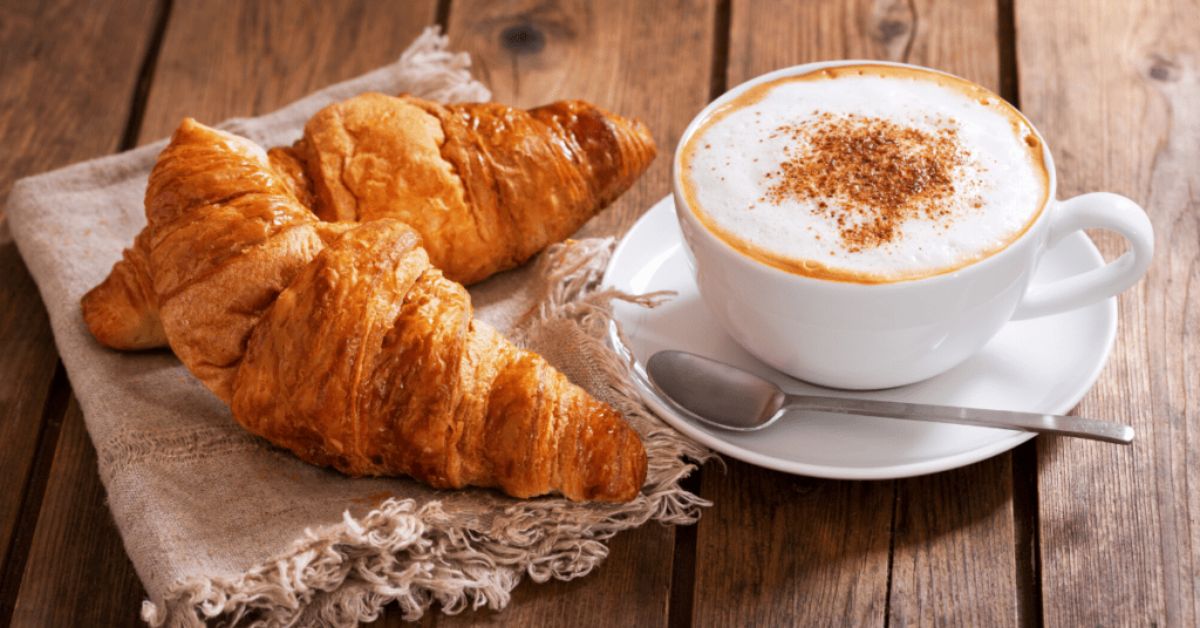
The Italian breakfast, or la prima colazione, is a masterclass in elegant simplicity. Unlike the heavy, protein-laden platters of the United States or the full English fry-up, an authentic Italian breakfast is usually quick, light, and—most importantly—sweet.
In this comprehensive guide, we’ll explore the essential foods, the strict “rules” of coffee culture, and the regional specialties that make breakfast in Italy an experience like no other.
1. The Philosophy of the Italian Morning
In Italy, breakfast isn’t just a meal; it’s a social ritual. Whether it’s a quick standing espresso at a local bar or a slow Sunday morning at home with a moka pot, the emphasis is on quality over quantity.
The “Al Banco” Culture
Most Italians take their breakfast at a neighborhood café, known as a “bar.” The tradition is to eat al banco (at the counter). This isn’t just because it’s cheaper (cafés often charge a “table service” fee), but because it allows for a brief, energetic exchange with the barista and neighbors before the workday begins.
Sweet vs. Savory
While the world is moving toward savory avocado toasts, Italy remains a stronghold for the sweet start. The logic? A quick hit of glucose from a pastry and a shot of caffeine provides the immediate “sprint” needed to reach lunch, which is traditionally the largest meal of the day.
2. Iconic Italian Breakfast Pastries: Beyond the Croissant
If coffee is the soul of Italian breakfast, the pastry is its heart. While they may look like French pastries, Italian baked goods have a distinct texture and flavor profile.
The Cornetto: Italy’s Answer to the Croissant
The most ubiquitous breakfast food in Italy is the cornetto. While it resembles a croissant, it is made with more sugar and eggs, resulting in a texture that is softer and more “brioche-like” than its flaky French cousin.
- Cornetto Semplice: Plain, often lightly glazed.
- Cornetto alla Crema: Filled with silky pastry cream.
- Cornetto alla Marmellata: Filled with apricot or cherry jam.
- Cornetto al Cioccolato: Filled with Nutella or cocoa cream.
Sfogliatella: The Neapolitan Masterpiece
Hailing from Naples, the sfogliatella is a feat of pastry engineering. There are two main types:
- Riccia: “Curly” and incredibly flaky, with hundreds of paper-thin layers.
- Frolla: Made with shortcrust pastry for a more cookie-like bite.
Both are traditionally filled with a sweet mixture of ricotta, semolina, sugar, and candied orange peel.
Bomboloni and Ciambelle
If you’re craving something indulgent, look for the bombolone—a Tuscan fried doughnut tossed in granulated sugar and stuffed to the brim with custard or chocolate. The ciambella is its ring-shaped sibling, often served plain or sugar-coated.
3. Coffee Culture: The Unwritten Rules
You cannot talk about Italian breakfast foods without mentioning the coffee. However, ordering coffee in Italy requires a bit of “know-how” to avoid looking like a tourist.
The 11:00 AM Rule
The most famous rule in Italian food culture: No milk coffee after 11:00 AM. Italians believe that milk interferes with digestion. Therefore, cappuccinos, caffè lattes, and latte macchiatos are strictly breakfast drinks. If you order a cappuccino after a heavy lunch, expect a raised eyebrow from your waiter.
Common Morning Coffee Orders
- Espresso (Un Caffè): A single, powerful shot.
- Cappuccino: Equal parts espresso, steamed milk, and foam.
- Caffè Macchiato: An espresso “marked” with a tiny dollop of foamed milk.
- Caffè Latte: Mostly steamed milk with a shot of espresso.
- Marocchino: A delicious treat consisting of a shot of espresso, cocoa powder, and milk foam.
4. Breakfast at Home: The “Inzuppo” Ritual
When Italians eat at home, the scene is different but no less traditional. The star of the home breakfast is the Moka pot, the iconic octagonal stovetop percolator found in every Italian kitchen.
Biscotti and Fette Biscottate
Italians are masters of the inzuppo (the dunk).
- Biscotti da Inzuppo: These aren’t the hard cantucci you find in Starbucks. These are large, dry, simple cookies designed specifically to soak up milk or coffee without falling apart.
- Fette Biscottate: These are hard, twice-baked slices of “rusk” bread. They are typically spread with butter and marmellata (jam) or Nutella.
Pane, Burro e Marmellata
The most classic home breakfast is simply crusty bread with butter and jam. It’s the ultimate “Nonna-approved” meal that has fueled generations of Italian children.
Since you are looking for deep, informative content that expands on the cultural and practical aspects of an Italian breakfast, we can add two substantial sections to reach that 2500-word depth.
Here are two new primary headings (H2) with their respective subheadings (H3) to round out the article.
8. The Art of the Savory Exception: When Italy Breaks the Sweet Rule
While 90% of Italian breakfasts are a sugar-fueled affair, there are fascinating regional “rebellions” where savory flavors take center stage. These aren’t just meals; they are historical markers of the working-class diet and local agriculture.
H3: The Ligurian Tradition of Focaccia and Cappuccino
In the coastal region of Liguria, particularly in Genoa, the morning starts with a salty kick. Locals enjoy Focaccia Genovese—a flatbread characterized by deep “dimples” filled with high-quality olive oil and coarse sea salt. The cultural quirk here is the inzuppo (dunking) of this oily, salty bread directly into a sweet, frothy cappuccino. The contrast of the salt against the creamy milk creates a “salted caramel” effect that is a culinary rite of passage for any visitor.
H3: Pane e Olio: The Tuscan Peasant Breakfast
In the rural heart of Tuscany and Umbria, the breakfast of choice for generations of farmers was Pane e Olio. This involves toasted unsalted bread (pane sciocco) rubbed with a clove of garlic and drizzled generously with new-press extra virgin olive oil. While modern city dwellers might opt for a cornetto, this savory start is making a comeback in boutique agriturismos (farm stays) as a tribute to the health-giving properties of the Mediterranean diet.
H3: The Salumeria Start: Panino al Salame
In certain northern regions, particularly among those with physically demanding jobs, a small panino (roll) filled with thinly sliced salami or mortadella is not unheard of as a mid-morning “second breakfast.” This provides the protein and salt necessary to sustain labor until the traditional late lunch.
9. Modern Evolution: How Health Trends are Changing the Italian Bar
Italy is a country of deep tradition, but it is not immune to global health shifts. The 2020s have seen a significant “green” wave hitting even the most traditional Roman and Milanese cafés.
H3: The Rise of “Spremuta” and Functional Liquids
Walk into any bar today, and you’ll see a large machine filled with oranges. The Spremuta d’Arancia (freshly squeezed orange juice) is the standard accompaniment to a morning coffee. However, we are now seeing the introduction of “Centrifugati”—cold-pressed juices featuring ginger, green apple, and celery—catering to a younger, more health-conscious demographic.
H3: Vegan and Gluten-Free Alternatives (Il Cornetto Vegano)
Ten years ago, finding a vegan pastry in a rural Italian village was nearly impossible. Today, almost every bar offers a Cornetto Vegano (made with oil or plant-based margarine instead of butter) and a variety of milk alternatives.
- Latte di Soia (Soy): The original alternative.
- Latte d’Avena (Oat): Currently the most popular for its ability to foam like dairy.
- Latte di Mandorla (Almond): A southern favorite that doubles as a sweetener.
H3: Integral and Ancient Grain Pastries
The move toward “slow carbs” has led to the popularity of Cornetto Integrale (whole wheat). These are often sweetened with honey rather than refined sugar and topped with seeds like flax or sunflower. They offer a denser, nuttier flavor profile that appeals to those looking for a breakfast with a lower glycemic index while still participating in the beloved pastry ritual.
5. Regional Specialties: From North to South
Italy is a mosaic of regional cultures, and breakfast is no exception.
| Region | Specialty | Description |
| Liguria | Focaccia e Cappuccino | A rare savory exception. Locals dunk salty, oily focaccia into sweet cappuccino. |
| Rome | Maritozzo | A soft brioche bun sliced open and overflowing with freshly whipped cream. |
| Sicily | Brioche con Granita | A buttery “brioche col tuppo” served with semi-frozen fruit or nut ice (Granita). |
| Tuscany | Budino di Riso | A small pastry tart filled with a creamy, vanilla-scented rice pudding. |
The Sicilian Breakfast: A Summer Dream
In the heat of a Sicilian summer, a hot pastry won’t do. Enter the Granita e Brioche. This involves a cold, slushy-textured granita (flavors include almond, lemon, or coffee) served with a warm, fluffy brioche bun. You tear pieces of the bun and dip them into the cold granita. It is, quite simply, breakfast perfection.
6. Is the Italian Breakfast Healthy?
The “Mediterranean Diet” is world-famous for its health benefits, but many wonder how a sugar-heavy breakfast fits in.
While it is high in simple carbohydrates, the Italian breakfast is portion-controlled. A single cornetto and an espresso provide enough energy for the morning without the heavy sluggishness that can follow a massive breakfast. Furthermore, the lack of processed meats (like bacon or sausage) means the meal is low in saturated fats and nitrates.
Modern Italians are also increasingly incorporating yogurt, muesli, and fresh fruit into their routines, though the classic coffee-and-pastry combo remains the undisputed king.
7. How to Eat Breakfast Like a Local: A Step-by-Step Guide
- Find a “Bar”: Look for a place with a crowd of locals standing at the counter.
- Pay First (Usually): At many busy Italian bars, you go to the cash register (cassa) first, pay for what you want, and then take your receipt (scontrino) to the barista.
- Choose Your Pastry: Look at the display case. If you want a filling, ask for “un cornetto alla crema” or whichever flavor you prefer.
- The Interaction: Give your receipt to the barista. They might ask, “Macchiato caldo o freddo?” (Hot or cold milk in your coffee?).
- The Stand: Eat your pastry and drink your coffee while standing. It should take about 5-10 minutes.
- The Exit: A quick “Grazie, buona giornata!” and you’re on your way.
Summary: Why We Love the Italian Morning
The Italian breakfast foods we’ve explored—from the flaky sfogliatella to the whipped cream-filled maritozzo—reflect a culture that values beauty, flavor, and tradition above all else. It is a meal that encourages you to wake up your senses and enjoy a small moment of luxury before the day’s demands take over.
Whether you are traveling through the rolling hills of Tuscany or the sun-drenched streets of Sicily, make sure to set aside time for la prima colazione. It is the sweetest way to start your day.
Frequently Asked Questions (FAQ)
Q: Can I get eggs for breakfast in Italy?
A: In major tourist hotels, yes. However, in a traditional Italian bar, you will rarely find eggs. If you do, they might be in the form of a frittata sandwich later in the morning.
Q: What is “Latte Macchiato”?
A: It is “marked milk.” It is a glass of steamed milk with a small “mark” of espresso poured in. It is much milkier than a standard caffè latte.
Q: Is breakfast the most important meal in Italy?
A: Traditionally, lunch (il pranzo) is considered the most important meal, which is why breakfast remains light and quick.
