

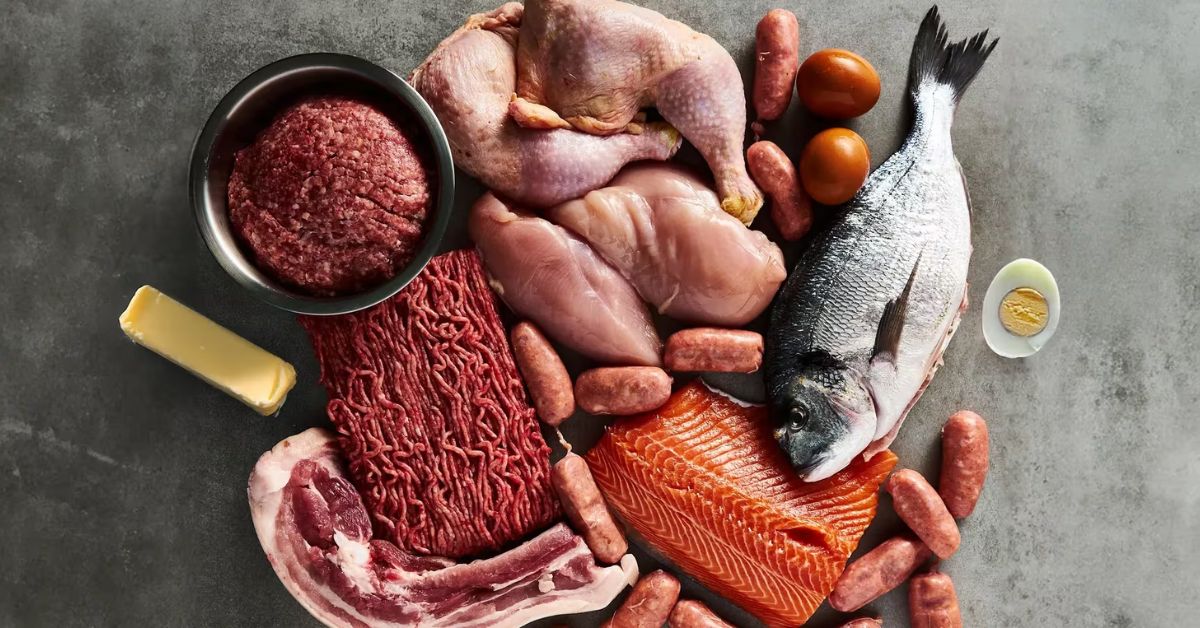
The carnivore diet has evolved from a niche “fringe” trend into a mainstream nutritional powerhouse. In 2026, more people than ever are turning to this ancestral way of eating to address autoimmune issues, simplify their lifestyles, and achieve peak metabolic health.
Unlike other low-carb diets like Keto or Paleo, the carnivore diet is remarkably simple: If it comes from an animal, you eat it. If it doesn’t, you don’t.
In this 4,000-word deep dive, we will cover every aspect of the carnivore diet food list, including what to eat, what to avoid, and how to optimize your results for long-term success.
1. What is the Carnivore Diet?
At its core, the carnivore diet is an all-meat, zero-carb elimination diet. It is based on the premise that human ancestors thrived on animal products and that modern plant-based foods contain “anti-nutrients” (like lectins, oxalates, and phytates) that can cause inflammation and digestive distress.
The Different Levels of Carnivore
Before we dive into the food list, it’s important to understand that not every carnivore eater follows the same rules.
- The Lion Diet: The strictest version. Only ruminant meat (beef, lamb), salt, and water.
- Nose-to-Tail Carnivore: Focuses on muscle meat plus organ meats (liver, heart, kidney) to maximize micronutrient intake.
- Relaxed Carnivore: Includes eggs, seafood, and some high-fat dairy like butter and hard cheeses.
- Animal-Based: A “carnivore-adjacent” approach that includes meat and organs but adds “least toxic” plant foods like honey and seasonal fruit.
2. The Master Carnivore Diet Food List
To succeed on this diet, you need to know exactly what goes in your shopping cart. Below is the definitive list of foods permitted on a standard carnivore protocol.
A. Ruminant Meats (The Foundation)
Ruminant animals (those with four stomachs) produce the most nutrient-dense meat with the healthiest fatty acid profiles.
- Beef: Ribeye (the gold standard), New York strip, T-bone, ground beef (80/20 is best), chuck roast, brisket, and flank steak.
- Lamb & Mutton: Lamb chops, leg of lamb, and ground lamb.
- Bison & Buffalo: Leaner than beef but incredibly nutrient-dense.
- Goat: Often overlooked but very common in ancestral diets.
B. Pork and Poultry
While ruminant meat should be your staple, other land animals provide variety.
- Pork: Bacon (sugar-free), pork belly, pork chops, and ham.
- Chicken: Thighs and wings (keep the skin on for fat), drumsticks.
- Turkey: Whole roasted turkey or ground turkey.
- Duck & Goose: High in healthy fats and flavor.
C. Seafood and Fish
Seafood is essential for obtaining Omega-3 fatty acids ($DHA$ and $EPA$) and iodine.
- Fatty Fish: Salmon, mackerel, sardines, and herring.
- White Fish: Cod, halibut, and snapper.
- Shellfish: Oysters (high in zinc), scallops, shrimp, crab, and lobster.
- Roe: Fish eggs are a nutritional “multivitamin.”
D. Organ Meats (The Superfoods)
If you want to avoid deficiencies without supplements, organ meats are non-negotiable.
- Liver: The most nutrient-dense food on earth (high in Vitamin A and B12).
- Heart: Rich in CoQ10.
- Kidney: High in selenium.
- Bone Marrow: Pure healthy fat and collagen.
- Sweetbreads: The thymus or pancreas—delicacies for veteran carnivores.
E. Eggs and Dairy
- Eggs: Chicken, duck, or quail eggs. The yolk is where the nutrients live.
- Butter & Ghee: Essential for cooking and adding fat to leaner cuts.
- Hard Cheeses: Parmesan, aged cheddar, and pecorino (use sparingly if trying to lose weight).
- Heavy Cream: For those who tolerate dairy well.
11. Bioavailability: Why Animal Nutrients Outperform Plant Sources (H2)
One of the most significant arguments for the carnivore diet is the concept of bioavailability. It isn’t just about what you eat; it’s about what your body can actually absorb and utilize.
The Problem with Plant Antinutrients (H3)
Many plants contain defense mechanisms designed to prevent them from being digested. These include:
- Phytates: Found in grains and beans, these bind to minerals like calcium and zinc, preventing absorption.
- Oxalates: Found in spinach and beets, these can contribute to kidney stones and joint pain.
- Lectins: These “sticky” proteins can damage the gut lining, leading to “leaky gut.”
Heme Iron vs. Non-Heme Iron (H3)
In the carnivore diet, you consume Heme Iron (found in red meat). This form of iron is absorbed at a rate of $15\%$ to $35\%$, whereas non-heme iron from plants (like spinach) is absorbed at a measly $2\%$ to $20\%$. This is why many people on a carnivore diet report a massive surge in energy and the resolution of anemia.
Retinol vs. Beta-Carotene (H3)
While carrots are famous for “Vitamin A,” they actually contain Beta-Carotene, a precursor that the body must convert. Many humans are poor converters. Animal foods like liver and egg yolks provide Retinol, the active form of Vitamin A that your body can use immediately for eye health and skin repair.
12. The Science of Satiety: How Carnivore Heals Hunger Hormones (H2)
The reason most diets fail is hunger. The carnivore diet addresses the root cause of overeating by regulating the body’s primary hunger hormones: Ghrelin and Leptin.
Silencing the “Food Noise” (H3)
“Food noise” refers to the constant intrusive thoughts about your next meal. This is usually driven by blood sugar spikes and crashes. By removing carbohydrates, you flatten your insulin curve. When insulin is low, your body can access its own stored body fat for fuel, meaning you never experience the “hangry” crashes associated with sugar-burning.
The Role of Cholecystokinin (CCK) (H3)
When you eat a high-fat, high-protein meal—like a ribeye steak—your small intestine releases a hormone called CCK. This signal tells your brain, “We are full; stop eating.” Because meat is so nutrient-dense, the CCK signal is much stronger than it would be after eating a bowl of pasta or a salad.
Healing Leptin Resistance (H3)
Leptin is the hormone that tells your brain you have enough energy stored. In obesity, the brain becomes “deaf” to leptin. A carnivore diet, by reducing systemic inflammation, helps restore leptin sensitivity, allowing your natural weight-regulation system to take over without the need for meticulous calorie counting.
13. Advanced Tips for the Long-Term Carnivore (H2)
Once you pass the initial 30-day “adaptation phase,” you may want to fine-tune your approach for maximum performance.
Electrolyte Management (H3)
During the first two weeks, your body sheds excess water as it burns through stored glycogen. This flush takes electrolytes with it.
- Sodium: Increase salt intake significantly.
- Magnesium: Consider a supplement if you experience leg cramps at night.
- Potassium: Found naturally in meat, but some find a “lite salt” (potassium chloride) helpful during the transition.
The Importance of Variety (H3)
While many thrive on just beef, adding seafood (for iodine) and eggs (for choline) ensures a broader spectrum of micronutrients. Don’t be afraid to experiment with different “animal-based” textures to keep the diet sustainable.
3. Detailed Breakdown of Macronutrients
On a carnivore diet, your body shifts its primary fuel source from glucose (carbohydrates) to ketones (fat). This is why getting your ratios right is vital.
The Importance of Fat
Many beginners make the mistake of eating too much lean protein (like chicken breast) and not enough fat. This can lead to “rabbit starvation,” characterized by fatigue and digestive issues.
- Ideal Ratio: Most carnivores thrive on a 1:1 or 2:1 fat-to-protein ratio (by weight, not calories).
- Signs you need more fat: Constipation, low energy, and persistent hunger.
- Signs you need less fat: Diarrhea or “disaster pants” shortly after eating.
Protein for Satiety
Protein is the building block of muscle and the most satiating macronutrient. On carnivore, you don’t need to track protein obsessively—if you eat until you are “comfortably stuffed,” your body will naturally regulate its intake.
4. Why 2026 is the Year of the Carnivore
Recent research in 2025 and early 2026 has shed new light on why this diet works for so many. Clinical observations have shown:
- Elimination of Inflammatory Triggers: By removing grains and seed oils, systemic inflammation markers like CRP (C-Reactive Protein) often plummet.
- Gut Microbiome Reset: For those with SIBO or IBS, removing fermentable fibers can provide immediate relief from bloating and gas.
- Insulin Sensitivity: Since the diet is virtually zero-carb, insulin levels remain low and stable, aiding in rapid fat loss and reversing Type 2 Diabetes symptoms.
Note: Always consult with a healthcare professional before starting a restrictive diet, especially if you have pre-existing kidney or heart conditions.
5. Beverages: What Can You Drink?
The stricter you are, the better your results.
- Water: Mineral water is preferred to replenish electrolytes.
- Bone Broth: Excellent for gut healing and joint health.
- Black Coffee & Tea: Technically plant-based, but many carnivores keep them for the caffeine. If you have autoimmune issues, try cutting them out for 30 days.
- Sparkling Water: A great replacement for soda.
Avoid: Milk (high in lactose/sugar), fruit juices, diet sodas, and alcohol.
6. How to Season Your Meat
Strict carnivores use only salt. Salt is essential because when you lower carbohydrates, your kidneys excrete sodium more rapidly.
- Recommended: Redmond Real Salt or Celtic Sea Salt.
- Optional: Black pepper, garlic powder, and herbs (if tolerated).
- Avoid: Any spice rubs containing sugar, cornstarch, or seed oils.
7. Sample 7-Day Carnivore Meal Plan
| Day | Breakfast | Lunch | Dinner |
| Mon | 4 Eggs scrambled in butter | Ribeye steak | Ground beef patties with bacon |
| Tue | Omelet with goat cheese | Canned sardines & shrimp | Roast lamb leg |
| Wed | Bacon and eggs | Leftover roast lamb | Salmon fillet with butter |
| Thu | Beef jerky (sugar-free) | Beef liver and onions | New York Strip steak |
| Fri | Poached eggs | Chicken thighs (skin-on) | Ribeye steak |
| Sat | Bone marrow on steak | Burger patties (no bun) | Pork belly strips |
| Sun | Slow-cooked brisket | Scallops and butter | Ribeye (The Sunday Feast) |
8. Common Myths and Misconceptions
“You need fiber for digestion”
While mainstream nutrition pushes fiber, many carnivores find that their digestion improves without it. Constipation is often a result of too much fiber or too little fat, rather than a lack of plant roughage.
“You’ll get Scurvy (Vitamin C deficiency)”
Meat actually contains small amounts of Vitamin C, especially organ meats. Furthermore, glucose and Vitamin C compete for the same transporters in the body. When you remove glucose, your body becomes much more efficient at utilizing the Vitamin C you do consume.
“Red meat causes heart disease”
Modern studies are increasingly debunking the link between saturated fat and heart disease, pointing instead to the combination of high fats and high processed carbohydrates (the “Standard American Diet”).
9. Strategies for Success and SEO Optimization
If you are writing about the carnivore diet or trying to rank for it, keep these “Long-Tail Keywords” in mind:
- Carnivore diet for weight loss
- Carnivore diet results after 30 days
- Carnivore diet vs. Keto
- Is the carnivore diet safe for women?
To gain high search volume, focus on User Intent. People searching for “carnivore diet foods” want a list, but they also want to know why they are eating them and how to cook them.
10. Conclusion: Is Carnivore Right For You?
The carnivore diet isn’t just a weight loss plan; for many, it’s a medical intervention and a path to mental clarity. By focusing on the highest quality animal foods—prioritizing ruminant meats and organs—you can transform your relationship with food and your health.
Whether you’re doing a 30-day challenge or making it a lifelong habit, the key is consistency. Eat meat, drink water, and listen to your body.
FAQ: Frequently Asked Questions
Q: Can I eat honey on the carnivore diet?
A: Purists say no. However, “Animal-Based” practitioners (like Dr. Paul Saladino) include it for metabolic health and athletic performance.
Q: How do I handle social situations?
A: Order a steak or a stack of bunless burgers at any restaurant. It’s the easiest diet to follow while eating out!
Q: Will I lose muscle?
A: No. High protein intake combined with adequate calories and strength training is the best way to preserve and build muscle mass.
