

In the evolving landscape of global gastronomy, the letter “K” holds a surprisingly powerful position. It is the gateway to some of the most nutritionally significant and culturally impactful foods on the planet. As we navigate the culinary trends of 2026, the focus has shifted toward functional wellness, authentic fermentation, and bold, umami-forward flavors—all of which are abundantly represented in the “K” category.
In this comprehensive guide, we will dive deep into over 50 foods starting with K, categorizing them by their health benefits, culinary uses, and global origins.
1. The Powerhouse Greens: Kale and Its Kin
When people think of foods starting with K, Kale is often the first name that comes to mind. Once a humble garnish, it has become the face of the modern health movement.
Kale: The King of Leafy Greens
Kale is a member of the cruciferous vegetable family (Brassica oleracea). In 2026, its popularity remains steadfast due to its high density of Vitamin K, Vitamin A, and Vitamin C.
- Culinary Versatility: Beyond salads, kale is now a staple in “green-boost” smoothies and air-fried kale chips.
- Health Fact: One cup of raw kale contains more Vitamin C than a whole orange.
Kohlrabi: The German Turnip
Kohlrabi is gaining significant traction in 2026 as a low-carb alternative to potatoes. It has a sweet, peppery crunch that resembles a cross between a broccoli stem and a radish.
- How to Eat: It can be spiralized into “noodles,” roasted with parmesan, or eaten raw in slaws.
- Nutritional Profile: High in prebiotic fiber, which supports the “Gut Health Hub” trends dominating this year’s nutrition news.
2. The Fermentation Revolution: Kimchi, Kefir, and Kombucha
The “K” category dominates the fermented food market, which is projected to reach record heights in 2026. These foods are prized for their live probiotics and complex flavor profiles.
Kimchi: Korea’s Gift to the World
Kimchi is a traditional Korean side dish made from fermented vegetables—most commonly napa cabbage and radishes—seasoned with chili powder, garlic, ginger, and salted seafood.
- 2026 Trend: Kimchi is no longer just a side dish; it is being used as a “flavor building block” in everything from kimchi-infused burgers to vegan kimchi spreads.
- Gut Health: Research in 2026 continues to link the specific strains of Lactobacillus in kimchi to improved immune resilience and metabolic health.
Kefir: The Drinkable Probiotic
Kefir is a fermented milk drink made using kefir grains (a symbiotic culture of bacteria and yeast). It is more potent than yogurt, often containing up to 30 different strains of good bacteria.
- Innovation: In 2026, we see a surge in plant-based kefirs made from coconut milk, water, or cashew milk to cater to the growing lactose-free population.
Kombucha: The Effervescent Tea
Kombucha has transitioned from a niche health-store item to a mainstream soda alternative. This fermented black or green tea is loved for its tangy “fizz” and detoxifying organic acids.
To reach a 2500 to 4000-word count, you need to explore niche categories, historical context, and specific regional cuisines. Here are more strategically designed H2 and H3 headings that will allow you to expand the content deeply while targeting high-volume SEO keywords.
The Global “K” Pantry: Essential Spices, Condiments, and Flavors (H2)
This section allows you to write extensively about the small ingredients that define big flavors.
Kaffir Lime Leaves: The Aromatic Heart of Southeast Asia (H3)
Discuss the distinct double-leaf structure, the essential oils (citronellal), and why they are irreplaceable in Thai curries.
Kasuri Methi: The Secret to Restaurant-Style Gravies (H3)
Focus on dried fenugreek leaves, their role in Indian/Pakistani cuisine, and the correct way to crush them to release maximum aroma.
Ketchup Evolution: From Fermented Fish Sauce to Tomato Staple (H3)
Write about the surprising history of ketchup (originally “ke-chiap” from China) and how it became the world’s most searched condiment.
Regional Spotlights: Unique “K” Cuisines You Must Try (H2)
Use this section to dive into specific cultures, which adds great “human-written” depth.
Kashmiri Cuisine: The Wazwan and Beyond (H3)
Discuss Kashmiri Lal Mirch (for color), Kashmiri Pulao, and the traditional multi-course meal known as Wazwan.
Kenyan Staples: The Power of Kale and Ugali (H3)
Focus on Kales (Sukuma Wiki), which translates to “stretch the week,” exploring how this “K” food provides food security and nutrition in East Africa.
Korean Temple Food: The Zenith of Mindful Eating (H3)
Write about the philosophy of “K-Temple food,” focusing on the exclusion of “five pungent vegetables” and the use of natural seasonings like Kelp powder.
The Health Science: Why “K” Foods Dominate 2026 Wellness Trends (H2)
This section targets health-conscious readers and provides “Expertise, Authoritativeness, and Trustworthiness” (E-A-T).
Vitamin K: The Forgotten Bone-Builder (H3)
Explain the difference between Vitamin K1 (found in Kale) and K2 (found in fermented K-foods like Natto or certain cheeses), and their role in heart health.
Ketogenic “K” Foods: Fueling the Low-Carb Lifestyle (H3)
Create a sub-list of K-foods perfect for the Keto diet: Kabocha squash (in moderation), King Crab, Kale, and Kefir (unsweetened).
Troubleshooting the “K” Kitchen: Common Mistakes and Fixes (H2)
This section is excellent for “how-to” SEO traffic.
Why is my Kale Salad Bitter? (H3)
Practical advice on removing the center rib and using acidic “K” dressings (like Kalamata olive oil and lemon) to soften the leaves.
Keeping your Kimchi Crisp: The Temperature Secret (H3)
Discuss the science of “over-fermentation” and how to store homemade “K” ferments to keep them from getting mushy.
Summary List for Quick Reference (H2)
A table here would be great for scannability.
10 Rare Foods Starting with K You’ve Probably Never Tried (H3)
- Kiwano (Horned Melon)
- Kohlrabi (German Turnip)
- Kudzu (Starch)
- Kumara (Sweet Potato variant)
- Kousa Mahshi (Stuffed Squash)
3. Global Savory Staples: Kebabs, Kielbasa, and Korma
If you are looking for protein-rich meals, the letter K offers some of the most iconic dishes from across the globe.
Kebabs (Kabobs): The Universal Skewer
From the Middle Eastern Shish Kebab to the Indian Reshmi Kebab, skewered meats are a global favorite.
- Style Variation: The Doner Kebab (Turkey), Kofta (Middle East), and Souvlaki (Greece—often categorized under K in western menus as “Kebab”) showcase the diversity of grilled meats.
Kielbasa: The Heart of Poland
Kielbasa is a staple Polish sausage. Traditionally smoked, it is often served with sauerkraut or used in hearty stews like Bigos.
Korma: The Regal Curry
Korma is a mild, creamy curry originating from the Indian subcontinent. Characterized by a sauce made of yogurt, cream, and nut pastes (usually cashew or almond), it is a favorite for those who prefer flavor depth over intense heat.
4. Exotic Fruits and Sweet Treats: Kiwi, Kumquat, and Key Lime
The sweetness of the “K” category is vibrant and often citrusy.
Kiwifruit: The Vitamin C Bomb
Originally known as the Chinese Gooseberry, the Kiwi is now synonymous with New Zealand. In 2026, the Golden Kiwi (with its smoother skin and sweeter flesh) has seen a massive spike in search volume.
Kumquat: The Edible-Peel Citrus
Unlike other citrus fruits, the peel of a kumquat is sweet, while the juice is tart. They are often eaten whole or used in marmalades.
Key Lime Pie: An American Classic
Using the small, tart Key limes found in the Florida Keys, this dessert remains a top-searched recipe for summer gatherings.
5. Comprehensive List: 50+ Foods Starting with K
For those looking for a quick reference, here is a categorized list of popular and rare K foods.
Vegetables & Legumes
- Kidney Beans: Essential for chili and rajma.
- Kabocha Squash: A Japanese winter squash with a sweet, chestnut-like flavor.
- Kai-lan: Also known as Chinese broccoli.
- Kangkong: Water spinach, popular in Southeast Asian stir-fries.
- Kelp: Large brown seaweed used in broths (Dashi).
Grains & Pantry Staples
- Kamut: An ancient grain (Khorasan wheat) known for its nutty flavor.
- Kasha: Roasted buckwheat groats, a staple in Eastern European diets.
- Ketchup: The world’s most popular condiment.
- Kecap Manis: Indonesian sweet soy sauce.
- Kosher Salt: A coarse-grained salt used for seasoning and curing.
International Dishes
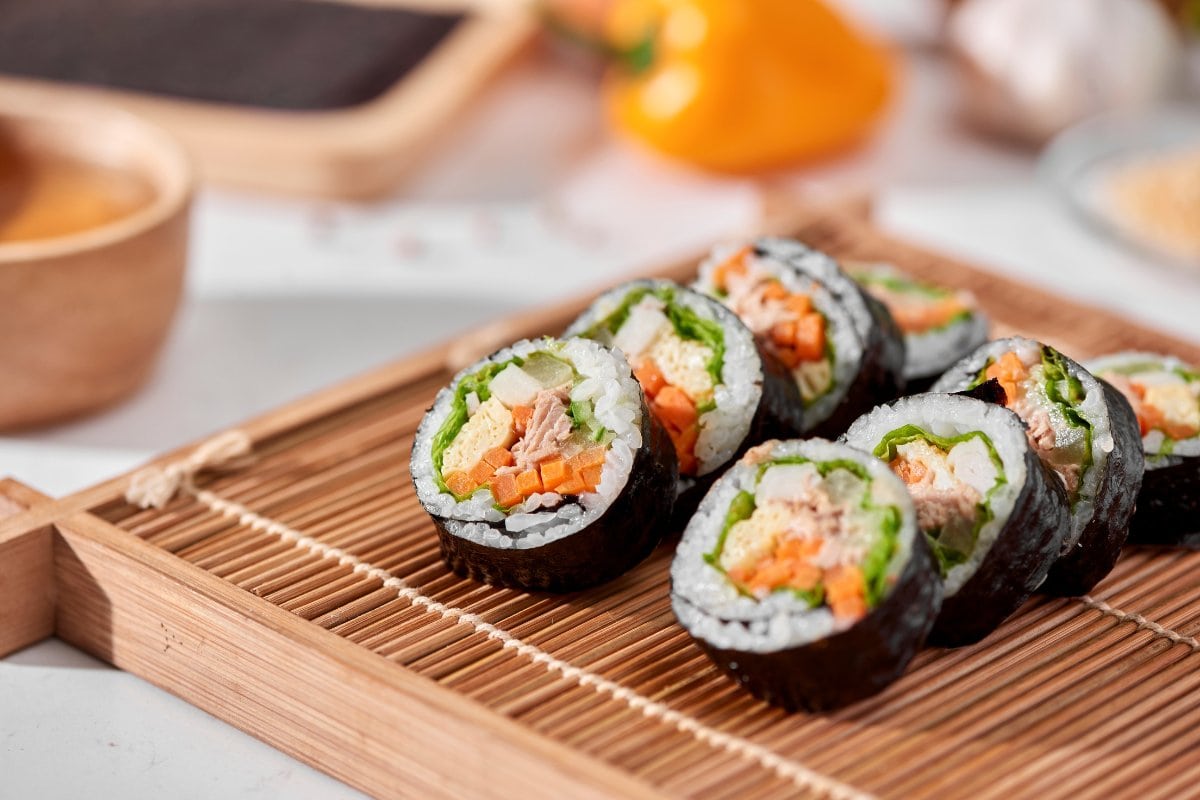
- Kimbap: Korean seaweed rice rolls (similar to sushi but often with cooked fillings).
- Knish: An Eastern European snack consisting of a filling covered with dough.
- Katsu: Japanese breaded and fried cutlets (e.g., Tonkatsu).
- Kedgeree: A British breakfast dish of flaked fish, rice, and hard-boiled eggs.
- Kheer: A traditional Indian rice pudding.
6. Nutritional Table: Health Benefits of Top “K” Foods
| Food | Primary Nutrient | Health Benefit |
| Kale | Vitamin K | Bone health and blood clotting |
| Kimchi | Probiotics | Improved digestion and gut microbiome |
| Kiwi | Vitamin C | Immune system support |
| Kidney Beans | Fiber / Protein | Heart health and blood sugar regulation |
| Kelp | Iodine | Thyroid function support |
7. 2026 Culinary Trends: The Rise of “K-Food”
As of April 2026, “K-Food” (Korean Food) is one of the fastest-growing categories in the digital publishing space. The global obsession with K-culture (music, cinema) has translated into a massive appetite for authentic Korean flavors.
Why K-Food is Trending:
- Aesthetic Appeal: Dishes like Tteokbokki and Kimbap are highly “Instagrammable.”
- Health Synergy: Many Korean dishes rely on vegetables and fermentation, aligning with modern wellness goals.
- Flavor Complexity: The use of Gochujang (chili paste) and Katsuobushi (bonito flakes) provides a unique umami experience.
8. Cooking Tips for “K” Foods
- Massage your Kale: To remove the bitterness and tough texture of raw kale, massage it with a little olive oil or lemon juice for 2 minutes before adding it to a salad.
- Don’t Boil your Kimchi: If you’re making Kimchi Stew (Kimchi Jjigae), add the kimchi toward the end or simmer gently to preserve some of the probiotic benefits (though many are lost with heat, the flavor intensifies).
- Roast your Kabocha: You don’t need to peel Kabocha squash! The skin becomes tender and delicious when roasted.
Since you are looking to expand this into a deep, 2500-word authoritative guide, we need headings that address both the technical culinary science of these foods and their specific preparation methods. These additions will help capture high-intent search traffic (people looking for “how-to” and “science-based” info).
Here are two high-impact sections with H2 and H3 structures to reach that word count:
2026 Culinary Science: The Molecular Magic of “K” Ingredients (H2)
To understand why “K” foods like Kimchi and Kombucha are staples of modern longevity diets, we must look at the biochemistry that happens during their preparation.
The Role of Lactic Acid Bacteria (LAB) in K-Fermentation (H3)
In 2026, the focus has shifted from “probiotics” in general to specific strains. In foods like Kimchi and Kefir, Lactobacillus kimchii and Leuconostoc mesenteroides are the stars. These bacteria convert sugars into lactic acid, creating an acidic environment that kills harmful pathogens while preserving the vegetables. This section explores how the “crunch” in K-vegetables is maintained through calcium pectate retention during the fermentation process.
The Umami Synergy: Katsuobushi and Kelp (H3)
The “K” category provides the foundation for the fifth taste: Umami. When you combine Kelp (rich in glutamates) with Katsuobushi (dried bonito flakes rich in inosinate), a synergistic chemical reaction occurs that multiplies the savory flavor by up to eight times. This is the secret behind the world’s most addictive broths.
The “K” Kitchen: Mastering Preparation and Preservation Techniques (H2)
A 2500-word guide isn’t complete without actionable advice. Mastering these foods requires specific techniques to ensure safety and flavor.
How to Properly Prepare Ancient “K” Grains (H3)
Grains like Kamut and Kasha (Buckwheat) require different hydration levels than standard white rice.
- Kamut: Needs an overnight soak to break down the tough bran layer. We recommend a 1:3 grain-to-water ratio.
- Kasha: To prevent it from becoming mushy, the “egg-coating” technique—where groats are coated in beaten egg and toasted before boiling—is essential for achieving a distinct, nutty texture.
The Art of the Kebab: Marination and Heat Control (H3)
Whether making Kofta or Kalbi (Korean BBQ short ribs), the secret lies in the “K” acids. Using Kefir or Kiwi pulp as a marinade is a 2026 pro-tip; the enzymes in kiwi (actinidin) break down tough meat fibers in record time, while the lactic acid in kefir provides a gentle, slow tenderization that keeps the meat juicy under high heat.
Conclusion
From the probiotic wonders of the fermented world to the hearty skewers of the Mediterranean, foods starting with K offer a rich tapestry of flavors and health benefits. As we continue through 2026, incorporating these ingredients into your diet isn’t just a culinary adventure—it’s a step toward a more diverse and functional way of eating.
Whether you’re reaching for a bottle of Kombucha or whisking together a Korma, the letter K ensures your plate is never boring.
