
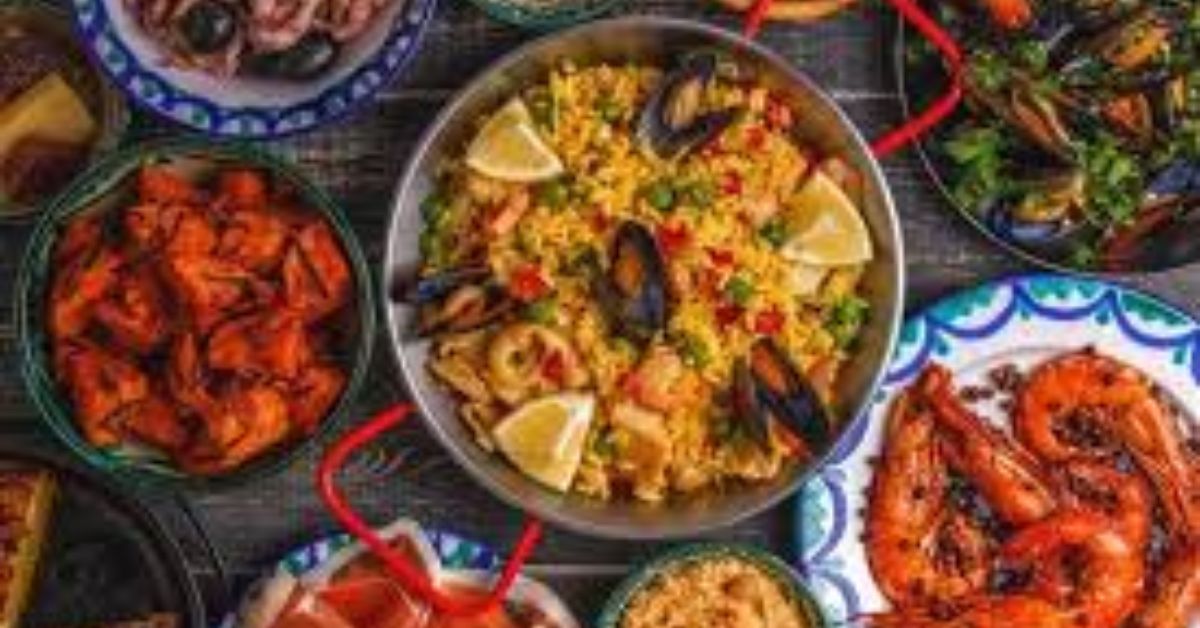
Spain is not just a country; it is a sensory experience where food sits at the very heart of its identity. From the sizzling tapas bars of Seville to the avant-garde Michelin-starred kitchens of San Sebastián, Spanish cuisine is a masterclass in honoring fresh ingredients while embracing culinary evolution.
As we move through 2026, the Spanish food scene is undergoing a fascinating “Small Plate Renaissance.” Diners are moving away from overly processed meals and returning to artisanal, homemade dishes that prioritize well-being and seasonal quality. Whether you are a seasoned traveler or a curious foodie, this comprehensive guide explores the essential dishes, regional secrets, and modern trends that define food in Spain today.
1. The Soul of Spanish Dining: Tapas and the Art of Sharing
In Spain, eating is a social contract. The concept of Tapas (small savory dishes) is more than just a style of appetizer; it is a way of life known as tapeo. In 2026, we are seeing a surge in “authentic small plates”—a move back to simple, high-quality bites that encourage communal dining.
Essential Tapas You Must Try:
- Patatas Bravas: Cubes of fried potato topped with a spicy tomato sauce and often a dollop of creamy garlic aioli.
- Gambas al Ajillo: Sizzling prawns bathed in golden olive oil, infused with slices of garlic and a hint of chili.
- Pimientos de Padrón: Small green peppers from Galicia. Most are mild, but every now and then, you’ll hit a surprisingly spicy one!
- Croquetas: Deep-fried bechamel fritters. While Jamón (ham) is the classic filling, modern versions in 2026 often feature wild mushrooms, blue cheese, or even salt cod (bacalao).
Pro Tip: In many cities like Granada or León, tapas are still served free with every drink—a tradition that remains a point of pride for locals.
## The Architecture of the Spanish Kitchen: Essential Ingredients and Tools
Spanish cooking ki khoobsurti iske sadgi mein hai, lekin iske peechay kuch makhsoos ingredients aur auzar (tools) hain jo har dish ko “authentic” banatay hain.
### Pimentón de la Vera: The Smoked Heart of Spain
Spain ki har dusri dish mein ek makhsoos “smoky” flavour hota hai, jo Pimentón (dried and smoked pepper powder) ki wajah se aata hai.
- Types: Dulce (sweet), Agridulce (bittersweet), aur Picante (spicy).
- Usage: Ye sirf rang nahi deta, balkay dishes jaise Pulpo aur Chorizo ko unka signature taste deta hai.
### The Paellera: Why the Pan Matters
Paella bananay wali karahi ko Paellera kehtay hain. Ye bohat chori (wide) aur shallow hoti hai taakay rice ki layer patli rahay aur heat barabar lagay. Is section mein aap bata saktay hain ke kyun log ghar par Paella sahi nahi bana paatay—kyunke unke paas sahi bartan nahi hota.
## Coastal vs. Inland: A Tale of Two Spains
Spain ka khana geography ke mutabiq do hisson mein banta hua hai. Ek taraf samandar ki saughatain hain aur dusri taraf paharon aur maidano ka sakht khana.
### Mariscos: The Bounty of the Atlantic and Mediterranean
Spain mein seafood sirf khana nahi, ek junoon hai.
- Galician Seafood: Yahan ke “Percebes” (goose barnacles) dunya ke sab se mehngay seafood mein shumar hotay hain.
- Fritura Malagueña: South Spain (Malaga) mein choti machliyon ko itni maharat se fry kiya jata hai ke wo bilkul crispy aur non-greasy hoti hain.
### The Meat Culture of Castile: Roasts and Stews
Spain ke dry aur thanday ilaqon mein (Central Spain), khana garam aur taqat-war hota hai.
- Cochinillo Asado: Segovia ka mashhoor “Suckling Pig” jo itna naram hota hai ke usay plate ki dhar se kaata jata hai.
- Lamb Roasts: Mitti ke tanoor (clay ovens) mein paka hua gosht jo sadiyon purani recipes par mushtamil hai.
## 2026 Food Tourism: How to Eat Like a Local (The Etiquette)
Sirf khana kafi nahi, ye janna bhi zaroori hai ke Spain mein khana khaya kaise jata hai. 2026 mein tourist traps se bachnay ke liye ye rules follow karna SEO ke liye best “User Intent” hai.
### The “Sobremesa” Tradition: Life After the Meal
Spain mein khana khatam hotay hi uthna bad-tameezi samjha jata hai. Sobremesa wo waqt hai jab khana khatam ho chuka hota hai lekin log ghanto baith kar baaten kartay hain, coffee peetay hain aur waqt guzartay hain.
### Avoiding Tourist Traps: The “Frozen Paella” Warning
Spain ke baray mein ek deep guide tab tak mukammal nahi jab tak aap parhne walon ko ye na batayen ke “Pre-made” khana kahan milta hai. Jis restaurant ke bahar tasveeren lagi hon, samajh jayen wo locals ke liye nahi hai.
2. Iconic National Treasures
While every region has its stars, certain dishes have become global ambassadors for Spanish flavor.
Paella: More Than Just Rice
Originating in Valencia, authentic paella is a ritual. While “Seafood Paella” is the most famous internationally, the traditional Paella Valenciana actually features rabbit, chicken, and green beans.
- The Secret: The socarrat—the toasted, crunchy layer of rice at the bottom of the pan—is considered the most delicious part by aficionados.
Jamón Ibérico: The Gold Standard of Ham
No trip to Spain is complete without tasting Jamón Ibérico de Bellota. This ham comes from free-roaming pigs that forage on acorns (bellotas) in oak forests. The result is a marbled, nutty meat that literally melts on your tongue. In 2026, traceability is key, with digital certifications now ensuring the exact origin and diet of the pig.
Tortilla Española (The Spanish Omelet)
A simple masterpiece of eggs, potatoes, and often onions. The eternal debate in Spain remains: with or without onion? Regardless of your stance, a thick, slightly runny slice of tortilla is the ultimate comfort food.
3. A Regional Map of Flavors
Spain’s geography dictates its plate. The country is a patchwork of distinct culinary micro-climates.
| Region | Signature Dish | Key Ingredients |
| Andalusia | Gazpacho / Salmorejo | Cold tomatoes, peppers, extra virgin olive oil |
| Galicia | Pulpo à la Gallega | Octopus, paprika, boiled potatoes |
| Asturias | Fabada Asturiana | White beans, chorizo, morcilla (blood sausage) |
| Madrid | Cocido Madrileño | Chickpea-based meat stew served in three “turns” |
| Catalonia | Pan con Tomate | Toasted bread rubbed with fresh tomato and garlic |
The North: Seafood and Cider
In Galicia and the Basque Country, the Atlantic Ocean provides world-class seafood. Try the Pulpo à la Gallega (octopus served on a wooden plate with paprika) or head to a cider house (sidrería) in Asturias to watch servers pour cider from a great height to aerate the drink.
The South: Cold Soups and Fried Fish
In the heat of the South, Gazpacho and its creamier cousin, Salmorejo, are staples. These chilled tomato-based soups are the perfect antidote to the Andalusian sun.
## The “White Gold” of the Peninsula: A Deep Dive into Spanish Olive Oil (AOVE)
Spain produces nearly half of the world’s olive oil, yet many consumers only scratch the surface of this “liquid gold.” To understand Spanish food, one must understand AOVE (Aceite de Oliva Virgen Extra). In 2026, the market has shifted toward “Single Estate” oils, where the focus is on the specific terroir, much like fine wine.
### Understanding the Varietals: Picual vs. Arbequina
Not all oils are created equal. For a truly SEO-optimized culinary guide, we must distinguish between the primary olives that define the Spanish palate:
- Picual: Primarily from Jaén, this oil is robust, bitter, and peppery. It has a high polyphenol count, making it the healthiest and most heat-stable option for frying those iconic Patatas Bravas.
- Arbequina: Common in Catalonia, this is buttery, fruity, and mild. It is the “finishing oil” of choice for drizzling over fresh seafood or Pan con Tomate.
- Hojiblanca: A versatile middle ground from Andalusia, often tasting of green grass and artichokes, perfect for cold soups like Gazpacho.
### The 2026 Sustainability Shift: From Grove to Table
The Spanish olive industry has undergone a massive digital transformation. In 2026, many premium brands use blockchain technology on their labels. Consumers can scan a QR code to see the exact date of harvest, the mill used, and the carbon footprint of that specific bottle. This transparency is a key driver for the modern, health-conscious traveler.
## The Culinary Calendar: Seasonal Festivals and Rites of Passage
Spanish cuisine is inherently tied to the religious and agricultural calendar. You cannot truly experience the food without understanding the “when” and “why.”
### The Winter Matanza: The Ritual of the Pig
In rural Spain, particularly in Extremadura and Castile-León, the Matanza (traditional pig slaughter) remains a vital cultural pillar. Occurring in the coldest months, this is when families gather to produce the chorizos, salchichóns, and blood sausages (morcilla) that will sustain them throughout the year. For the culinary tourist, attending a public Matanza festival offers a rare glimpse into the nose-to-tail philosophy that has existed in Spain for centuries.
### Calçotada: Catalonia’s Messiest Spring Tradition
Between January and April, Catalonia celebrates the Calçot. This is a long, thick green onion that is charred over an open flame until black, wrapped in newspaper to steam, and then peeled by hand to reveal a tender, sweet interior.
- The Romesco Ritual: The blackened onions are dipped into a rich Romesco sauce—a blend of roasted tomatoes, peppers, almonds, hazelnuts, and garlic.
- The Social Aspect: It is a messy, outdoor affair where diners wear bibs and drink wine from a porrón (a glass pitcher with a long spout). This tradition highlights the Spanish love for seasonal, earth-to-table dining.
4. Modern Trends: What’s New in 2026?
The Spanish culinary landscape is not static. This year, several trends are shaping how people eat:
- Forgotten Vegetables: Chefs are reviving “ancient” produce like parsnips, Jerusalem artichokes, and borage. Expect to see these featured in modern stews and fine-dining menus.
- Low-Alcohol Drinks: The “low-alc” movement has hit Spain hard. Traditional wine culture is being supplemented by artisanal low-proof vermouths and alcohol-free craft beers that pair perfectly with midday tapas.
- Fermentation: While Spain has always loved its olives and pickles, there is a new fascination with fermented products like kefir and kombucha, often infused with Mediterranean herbs.
- Eco-Conscious Dining: With new EU regulations in 2026, there is a massive focus on traceability. You will notice more “farm-to-table” transparency in restaurants, with many menus detailing the specific farm where your olive oil or beef originated.
5. The Sweet Finish: Desserts and Drinks
Spanish Sweets
- Churros con Chocolate: The classic breakfast or late-night snack. These fried dough ridges are meant to be dipped into a chocolate so thick it’s practically a pudding.
- Crema Catalana: Catalonia’s answer to crème brûlée, flavored with cinnamon and lemon zest.
- Tarta de Santiago: A dense, flourless almond cake from Galicia, marked with the Cross of Saint James.
Wine and Spirits
Spain is the world’s most widely planted wine-producing nation.
- Rioja & Ribera del Duero: The kings of Spanish reds, primarily using the Tempranillo grape.
- Cava: The sparkling pride of Catalonia, perfect for celebrations.
- Sherry (Jerez): Forget the sweet “cream sherry” of the past; modern diners are rediscovering dry Fino and Manzanilla sherries as the ultimate pairing for salty tapas.
6. Practical Tips for Eating in Spain
- Timing is Everything: Spaniards eat late. Lunch typically happens between 2:00 PM and 4:00 PM, while dinner rarely starts before 9:00 PM.
- Follow the Crowd: The best tapas bars are often the ones where people are standing up and the floor has a few discarded napkins (a traditional sign of a busy, popular spot!).
- Bread is Not Free: In many restaurants, the bread placed on your table (cubierto) will be added to your bill. It’s usually worth the small fee to soak up delicious sauces!
Conclusion: A Feast for the Future
The food of Spain in 2026 remains a beautiful balance of the old and the new. By respecting the land and the traditions of the past while embracing modern health and sustainability trends, Spain continues to be a world-leading destination for anyone who loves to eat. Whether you are biting into a simple slice of Jamón or experiencing a complex molecular foam in a city bistro, you are tasting centuries of history.
