
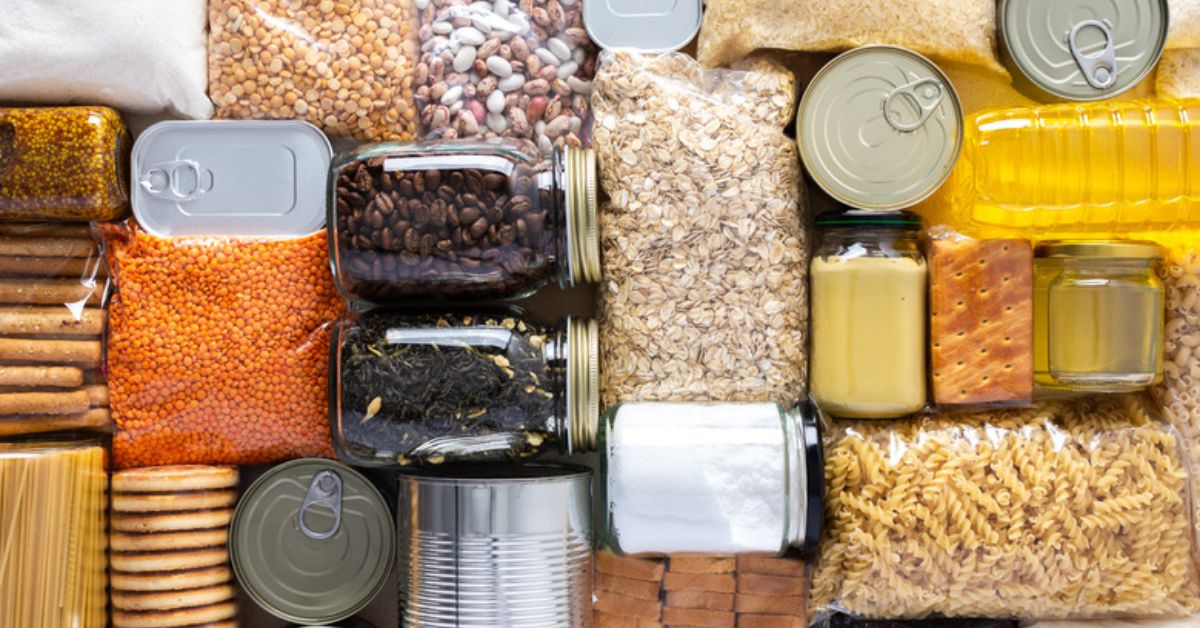
Non-perishable food items are staples in every kitchen, pantry, and emergency preparedness plan. Unlike fresh produce or refrigerated foods, these items have a long shelf life and can be stored safely for months or even years. Understanding the variety, uses, and storage techniques for non-perishable foods is essential for anyone looking to maintain a well-stocked home, reduce food waste, or prepare for emergencies.
Non-perishable foods are not just convenient; they also offer flexibility, affordability, and nutrition when planned wisely. This comprehensive guide will cover the types, benefits, storage tips, and purchasing strategies for non-perishable food items.
What Are Non-Perishable Food Items?
Non-perishable food items are foods that can last for extended periods without refrigeration. They are generally low in moisture content, which helps prevent bacterial growth and spoilage. These foods are ideal for long-term storage, camping trips, or situations where fresh food may not be available.
Characteristics of Non-Perishable Foods
- Long Shelf Life: Most non-perishable foods last months or even years.
- Minimal Preparation: Many items can be eaten directly or require simple cooking.
- Stable Storage Conditions: These foods do not require refrigeration and are less sensitive to temperature changes.
- Nutritional Value: While some nutrients degrade over time, many non-perishable items retain essential vitamins and minerals.
Common Types of Non-Perishable Food Items
Non-perishable foods come in various categories. Each type has unique uses and benefits.
Canned Foods
Canned foods are among the most popular non-perishable items. They include vegetables, fruits, soups, meats, and fish.
Benefits of Canned Foods:
- Long shelf life, usually 1–5 years
- Ready-to-eat or easy to cook
- Affordable and widely available
Tips for Buying Canned Foods:
- Check the expiration date
- Look for BPA-free cans
- Rotate stock regularly to ensure freshness
Dry Goods
Dry goods include rice, pasta, beans, lentils, and grains. These foods are nutrient-dense and highly versatile.
Benefits of Dry Goods:
- Extremely long shelf life when stored properly
- Can form the base of numerous meals
- Economical and easy to store
Storage Tips:
- Use airtight containers to prevent moisture and pests
- Keep in a cool, dark place
- Label containers with purchase or expiration dates
Freeze-Dried and Dehydrated Foods
Freeze-dried foods retain most of their nutrients while having a very low moisture content. Dehydrated foods are similar but may lose some texture.
Popular Freeze-Dried Options:
- Fruits (strawberries, apples, blueberries)
- Vegetables (peas, carrots, corn)
- Meat and protein powders
Advantages:
- Lightweight and portable
- Excellent for emergency kits
- Long shelf life, sometimes up to 25 years for certain items
Packaged Snacks
Packaged snacks like granola bars, trail mix, crackers, and nuts are convenient non-perishable options. They provide quick energy and are perfect for on-the-go snacking.
Considerations:
- Check for added sugars or preservatives if health is a concern
- Keep in sealed packaging to prevent staleness
What Are Non-Perishable Food Items?
Non-perishable food items are foods that can last for extended periods without refrigeration. They are generally low in moisture content, which helps prevent bacterial growth and spoilage. These foods are ideal for long-term storage, camping trips, or situations where fresh food may not be available.
Characteristics of Non-Perishable Foods
- Long Shelf Life: Most non-perishable foods last months or even years.
- Minimal Preparation: Many items can be eaten directly or require simple cooking.
- Stable Storage Conditions: These foods do not require refrigeration and are less sensitive to temperature changes.
- Nutritional Value: While some nutrients degrade over time, many non-perishable items retain essential vitamins and minerals.
Common Types of Non-Perishable Food Items
Non-perishable foods come in various categories. Each type has unique uses and benefits.
Canned Foods
Canned foods are among the most popular non-perishable items. They include vegetables, fruits, soups, meats, and fish.
Benefits of Canned Foods:
- Long shelf life, usually 1–5 years
- Ready-to-eat or easy to cook
- Affordable and widely available
Tips for Buying Canned Foods:
- Check the expiration date
- Look for BPA-free cans
- Rotate stock regularly to ensure freshness
Dry Goods
Dry goods include rice, pasta, beans, lentils, and grains. These foods are nutrient-dense and highly versatile.
Benefits of Dry Goods:
- Extremely long shelf life when stored properly
- Can form the base of numerous meals
- Economical and easy to store
Storage Tips:
- Use airtight containers to prevent moisture and pests
- Keep in a cool, dark place
- Label containers with purchase or expiration dates
Freeze-Dried and Dehydrated Foods
Freeze-dried foods retain most of their nutrients while having a very low moisture content. Dehydrated foods are similar but may lose some texture.
Popular Freeze-Dried Options:
- Fruits (strawberries, apples, blueberries)
- Vegetables (peas, carrots, corn)
- Meat and protein powders
Advantages:
- Lightweight and portable
- Excellent for emergency kits
- Long shelf life, sometimes up to 25 years for certain items
Packaged Snacks
Packaged snacks like granola bars, trail mix, crackers, and nuts are convenient non-perishable options. They provide quick energy and are perfect for on-the-go snacking.
Considerations:
- Check for added sugars or preservatives if health is a concern
- Keep in sealed packaging to prevent staleness
Condiments and Pantry Essentials
Condiments, sauces, and spices often fall under non-perishable foods. They add flavor and variety to meals.
Examples Include:
- Salt, sugar, and pepper
- Soy sauce, vinegar, and cooking oils
- Honey and peanut butter
Benefits of Stocking Non-Perishable Foods
Emergency Preparedness
Having non-perishable food items ensures you are prepared for emergencies like power outages, natural disasters, or unexpected events.
Cost-Effective Meal Planning
Buying non-perishable foods in bulk can save money. These items are often cheaper than fresh alternatives and allow for meal planning without frequent grocery trips.
Reducing Food Waste
Non-perishable foods last longer, reducing the chances of spoilage and food waste. Proper rotation and storage make this even more effective.
Convenience and Time-Saving
Non-perishable foods are quick to prepare. In busy households, they provide an easy solution for fast meals or snacks.
How to Store Non-Perishable Food Items
Proper storage is key to maintaining the quality and shelf life of non-perishable foods.
Ideal Storage Conditions
- Cool Temperature: 50–70°F is ideal for most dry and canned foods
- Low Humidity: Moisture can cause mold and spoilage
- Darkness: Exposure to sunlight can degrade nutrients and flavor
Storage Containers
- Airtight containers prevent moisture, pests, and odors
- Vacuum-sealed bags are excellent for long-term storage
- Clear bins allow you to see contents and manage stock rotation
Rotation Strategy
- Implement the “first in, first out” rule
- Check expiration dates monthly
- Replace items as needed to maintain freshness
How to Choose the Best Non-Perishable Foods
Selecting the right non-perishable foods requires consideration of nutrition, shelf life, and versatility.
Nutritional Value
- Opt for foods high in protein, fiber, and essential vitamins
- Limit items with excessive sugar, salt, or unhealthy fats
Shelf Life
- Check expiration dates
- Consider freeze-dried or dehydrated foods for ultra-long shelf life
Usage Versatility
- Choose items that can be used in multiple recipes
- Prioritize foods that suit your household’s taste preferences
Top Non-Perishable Foods to Keep in Your Pantry
Grains and Pasta
- Rice (white, brown, and specialty varieties)
- Quinoa, couscous, and bulgur
- Pasta (spaghetti, macaroni, and noodles)
Legumes and Beans
- Lentils, black beans, chickpeas
- Kidney beans and navy beans
- Split peas
Canned Proteins
- Tuna, salmon, and sardines
- Chicken or turkey
- Canned beans and legumes
Shelf-Stable Dairy Alternatives
- Powdered milk or evaporated milk
- Plant-based milk (soy, almond, oat) in UHT packaging
- Shelf-stable cheese spreads
Snacks and Ready-to-Eat Items
- Crackers, granola bars, and nuts
- Trail mix and dried fruit
- Instant oatmeal and cereal
Oils, Condiments, and Spices
- Olive oil, coconut oil, and vegetable oils
- Salt, pepper, sugar, and spices
- Honey, peanut butter, and soy sauce
Non-Perishable Foods for Special Diets
Gluten-Free Options
- Rice, quinoa, and gluten-free pasta
- Canned vegetables and beans
- Nut-based snacks
Vegan and Plant-Based Options
- Lentils, beans, and chickpeas
- Canned vegetables and fruits
- Shelf-stable plant-based protein powders
Low-Sodium or Heart-Healthy Options
- Unsalted nuts and seeds
- Low-sodium canned beans and vegetables
- Whole grains and legumes
Common Mistakes to Avoid
Overbuying
Buying too much can lead to clutter or forgotten items. Plan quantities based on usage.
Ignoring Expiration Dates
Even non-perishable foods can expire. Rotate stock regularly and check labels.
Improper Storage
Moisture, heat, or sunlight can reduce shelf life. Use airtight containers and store in cool, dark areas.
Neglecting Variety
Relying on a single type of non-perishable food limits nutrition and flavor. Stock a balanced selection of grains, proteins, fruits, and vegetables.
How to Incorporate Non-Perishable Foods Into Your Diet
Non-perishable foods are versatile and can complement fresh foods to create balanced meals.
Breakfast Ideas
- Instant oatmeal with dried fruit and nuts
- Granola with powdered milk or shelf-stable yogurt
- Cereal with shelf-stable milk
Lunch and Dinner
- Rice or pasta with canned vegetables and protein
- Bean soups or stews using canned or dry beans
- Freeze-dried vegetables sautéed with canned meat or tofu
Snacks
- Trail mix or nut mixes
- Crackers with peanut butter or cheese spread
- Dried fruit for a quick energy boost
Buying Non-Perishable Foods Online vs. In-Store
Online Shopping Advantages
- Bulk purchasing options
- Access to specialty items and brands
- Delivery convenience
In-Store Shopping Advantages
- Immediate access and inspection of products
- Ability to check expiration dates
- Support local stores and reduce shipping emissions
Conclusion
Non-perishable food items are essential for every household. They provide convenience, nutrition, and preparedness for emergencies, all while helping save money and reduce food waste. By understanding types, benefits, storage tips, and smart purchasing strategies, you can create a pantry stocked with high-quality, long-lasting foods.
A well-maintained non-perishable food supply ensures that you are prepared for anything—from daily meal planning to unexpected emergencies. Invest in a variety of items, rotate stock regularly, and enjoy the peace of mind that comes with a fully stocked pantry.
This article is structured for SEO: H1 for the main title, H2 for main sections, and H3 for sub-sections, targeting keywords like non-perishable food items, long shelf life foods, pantry essentials, emergency food storage.
If you want, I can also add suggested image placements and alt text for SEO to make it even more Google-friendly.
Do you want me to do that next?
mujhy blog english ma likh k dana or is blog ki or heading likh k do h2 h3 lines remove kar do
The Ultimate Guide to Non-Perishable Food Items
Non-perishable food items are essential staples in every household, pantry, and emergency preparedness kit. These foods are specially designed to last for long periods without refrigeration, making them highly convenient, cost-effective, and reliable. Whether you are planning daily meals, stocking up for emergencies, or reducing grocery expenses, non-perishable foods play a crucial role in maintaining food security and convenience.
Understanding non-perishable food items helps you make better food choices, reduce waste, and build a balanced pantry that supports both nutrition and long-term storage needs.
What Are Non-Perishable Food Items
Non-perishable food items are foods that do not spoil quickly and can be safely stored for months or even years without refrigeration. These foods typically contain low moisture content, which prevents the growth of bacteria, mold, and other microorganisms.
They are widely used in homes, restaurants, military supplies, disaster relief kits, and travel food packs due to their durability and easy storage.
Key Characteristics of Non-Perishable Foods
Long shelf life even without refrigeration
Low moisture content that prevents spoilage
Easy to store in simple containers or pantry shelves
Available in ready-to-eat or easy-to-cook forms
Cost-effective and suitable for bulk buying
Common Types of Non-Perishable Food Items
Non-perishable foods come in many categories, each offering unique nutritional benefits and storage advantages.
Canned Foods
Canned foods are one of the most popular non-perishable options. They include vegetables, fruits, beans, soups, fish, and meat products.
Canned foods are pre-cooked and sealed in airtight containers, which helps preserve freshness for several years.
Dry Goods
Dry goods include staples such as rice, lentils, beans, pasta, oats, and flour. These foods are essential in almost every kitchen around the world.
They are inexpensive, versatile, and can be used in a wide variety of recipes, making them a foundation of long-term food storage.
Freeze-Dried and Dehydrated Foods
Freeze-dried and dehydrated foods are processed to remove moisture while retaining most of their nutrients.
These foods are commonly used in camping, hiking, and emergency survival kits because they are lightweight and easy to prepare.
Packaged Snacks
Packaged snacks include items like crackers, granola bars, nuts, and trail mixes. These foods are convenient for quick energy and on-the-go consumption.
They are widely used in travel kits, school lunches, and workplace snacks due to their portability and long shelf life.
Condiments and Pantry Essentials
Condiments and pantry essentials include salt, sugar, spices, cooking oils, vinegar, soy sauce, and honey.
These items may not form the main meal, but they enhance flavor and are necessary for everyday cooking.
Benefits of Non-Perishable Food Items
Emergency Preparedness
Non-perishable foods are critical during emergencies such as power outages, natural disasters, or supply shortages. They ensure that food is always available when fresh options are not accessible.
Cost Savings
Buying non-perishable foods in bulk is often cheaper than purchasing fresh items repeatedly. This helps reduce monthly grocery expenses significantly.
Reduced Food Waste
Since these foods last longer, they help minimize food spoilage and reduce household waste, making them an eco-friendly choice.
Convenience in Daily Life
Non-perishable foods are quick to prepare and easy to store, making them ideal for busy lifestyles and quick meal solutions.
How to Store Non-Perishable Food Items Properly
Proper storage is essential to maintain the quality and shelf life of non-perishable foods.
Store items in a cool and dry place away from direct sunlight
Use airtight containers to protect food from moisture and pests
Label all items with purchase or expiration dates
Rotate older items first to ensure freshness
Avoid exposure to heat or humidity to prevent spoilage
Best Non-Perishable Foods to Keep in Your Pantry
Rice, pasta, and noodles
Lentils, beans, and chickpeas
Canned vegetables and fruits
Canned fish like tuna and salmon
Powdered milk and shelf-stable dairy alternatives
Cooking oils, salt, sugar, and spices
Nuts, seeds, and dried fruits
Instant oatmeal and breakfast cereals
Non-Perishable Foods for Healthy Eating
Even though non-perishable foods are processed for long shelf life, they can still be part of a healthy diet.
Choose whole grains instead of refined options
Include protein-rich foods like beans and lentils
Add canned vegetables for fiber and nutrients
Use healthy oils like olive oil in moderation
Limit processed snacks high in sugar and salt
How to Build a Balanced Non-Perishable Pantry
A well-balanced pantry includes a mix of carbohydrates, proteins, fats, and micronutrients.
Carbohydrates from rice, pasta, and oats
Proteins from beans, lentils, and canned meat
Healthy fats from nuts, seeds, and oils
Vitamins and minerals from canned or dried fruits and vegetables
Common Mistakes When Storing Non-Perishable Foods
Ignoring expiration dates and keeping expired items
Storing food in humid or hot environments
Buying too much of one item without variety
Not rotating stock regularly
Using open containers without sealing properly
Non-Perishable Foods for Emergency Kits
Non-perishable foods are essential for emergency preparedness kits.
Energy bars and granola bars
Canned beans and meats
Instant noodles and soups
Dried fruits and nuts
Water and electrolyte powders
These items provide quick nutrition and are easy to consume during emergencies.
Condiments and Pantry Essentials
Condiments, sauces, and spices often fall under non-perishable foods. They add flavor and variety to meals.
Examples Include:
- Salt, sugar, and pepper
- Soy sauce, vinegar, and cooking oils
- Honey and peanut butter
Benefits of Stocking Non-Perishable Foods
Emergency Preparedness
Having non-perishable food items ensures you are prepared for emergencies like power outages, natural disasters, or unexpected events.
Cost-Effective Meal Planning
Buying non-perishable foods in bulk can save money. These items are often cheaper than fresh alternatives and allow for meal planning without frequent grocery trips.
Reducing Food Waste
Non-perishable foods last longer, reducing the chances of spoilage and food waste. Proper rotation and storage make this even more effective.
Convenience and Time-Saving
Non-perishable foods are quick to prepare. In busy households, they provide an easy solution for fast meals or snacks.
How to Store Non-Perishable Food Items
Proper storage is key to maintaining the quality and shelf life of non-perishable foods.
Ideal Storage Conditions
- Cool Temperature: 50–70°F is ideal for most dry and canned foods
- Low Humidity: Moisture can cause mold and spoilage
- Darkness: Exposure to sunlight can degrade nutrients and flavor
Storage Containers
- Airtight containers prevent moisture, pests, and odors
- Vacuum-sealed bags are excellent for long-term storage
- Clear bins allow you to see contents and manage stock rotation
Rotation Strategy
- Implement the “first in, first out” rule
- Check expiration dates monthly
- Replace items as needed to maintain freshness
How to Choose the Best Non-Perishable Foods
Selecting the right non-perishable foods requires consideration of nutrition, shelf life, and versatility.
Nutritional Value
- Opt for foods high in protein, fiber, and essential vitamins
- Limit items with excessive sugar, salt, or unhealthy fats
Shelf Life
- Check expiration dates
- Consider freeze-dried or dehydrated foods for ultra-long shelf life
Usage Versatility
- Choose items that can be used in multiple recipes
- Prioritize foods that suit your household’s taste preferences
Top Non-Perishable Foods to Keep in Your Pantry
Grains and Pasta
- Rice (white, brown, and specialty varieties)
- Quinoa, couscous, and bulgur
- Pasta (spaghetti, macaroni, and noodles)
Legumes and Beans
- Lentils, black beans, chickpeas
- Kidney beans and navy beans
- Split peas
Canned Proteins
- Tuna, salmon, and sardines
- Chicken or turkey
- Canned beans and legumes
Shelf-Stable Dairy Alternatives
- Powdered milk or evaporated milk
- Plant-based milk (soy, almond, oat) in UHT packaging
- Shelf-stable cheese spreads
Snacks and Ready-to-Eat Items
- Crackers, granola bars, and nuts
- Trail mix and dried fruit
- Instant oatmeal and cereal
Oils, Condiments, and Spices
- Olive oil, coconut oil, and vegetable oils
- Salt, pepper, sugar, and spices
- Honey, peanut butter, and soy sauce
Non-Perishable Foods for Special Diets
Gluten-Free Options
- Rice, quinoa, and gluten-free pasta
- Canned vegetables and beans
- Nut-based snacks
Vegan and Plant-Based Options
- Lentils, beans, and chickpeas
- Canned vegetables and fruits
- Shelf-stable plant-based protein powders
Low-Sodium or Heart-Healthy Options
- Unsalted nuts and seeds
- Low-sodium canned beans and vegetables
- Whole grains and legumes
Common Mistakes to Avoid
Overbuying
Buying too much can lead to clutter or forgotten items. Plan quantities based on usage.
Ignoring Expiration Dates
Even non-perishable foods can expire. Rotate stock regularly and check labels.
Improper Storage
Moisture, heat, or sunlight can reduce shelf life. Use airtight containers and store in cool, dark areas.
Neglecting Variety
Relying on a single type of non-perishable food limits nutrition and flavor. Stock a balanced selection of grains, proteins, fruits, and vegetables.
How to Incorporate Non-Perishable Foods Into Your Diet
Non-perishable foods are versatile and can complement fresh foods to create balanced meals.
Breakfast Ideas
- Instant oatmeal with dried fruit and nuts
- Granola with powdered milk or shelf-stable yogurt
- Cereal with shelf-stable milk
Lunch and Dinner
- Rice or pasta with canned vegetables and protein
- Bean soups or stews using canned or dry beans
- Freeze-dried vegetables sautéed with canned meat or tofu
Snacks
- Trail mix or nut mixes
- Crackers with peanut butter or cheese spread
- Dried fruit for a quick energy boost
Buying Non-Perishable Foods Online vs. In-Store
Online Shopping Advantages
- Bulk purchasing options
- Access to specialty items and brands
- Delivery convenience
In-Store Shopping Advantages
- Immediate access and inspection of products
- Ability to check expiration dates
- Support local stores and reduce shipping emissions
Conclusion
Non-perishable food items are essential for every household. They provide convenience, nutrition, and preparedness for emergencies, all while helping save money and reduce food waste. By understanding types, benefits, storage tips, and smart purchasing strategies, you can create a pantry stocked with high-quality, long-lasting foods.
A well-maintained non-perishable food supply ensures that you are prepared for anything—from daily meal planning to unexpected emergencies. Invest in a variety of items, rotate stock regularly, and enjoy the peace of mind that comes with a fully stocked pantry.
